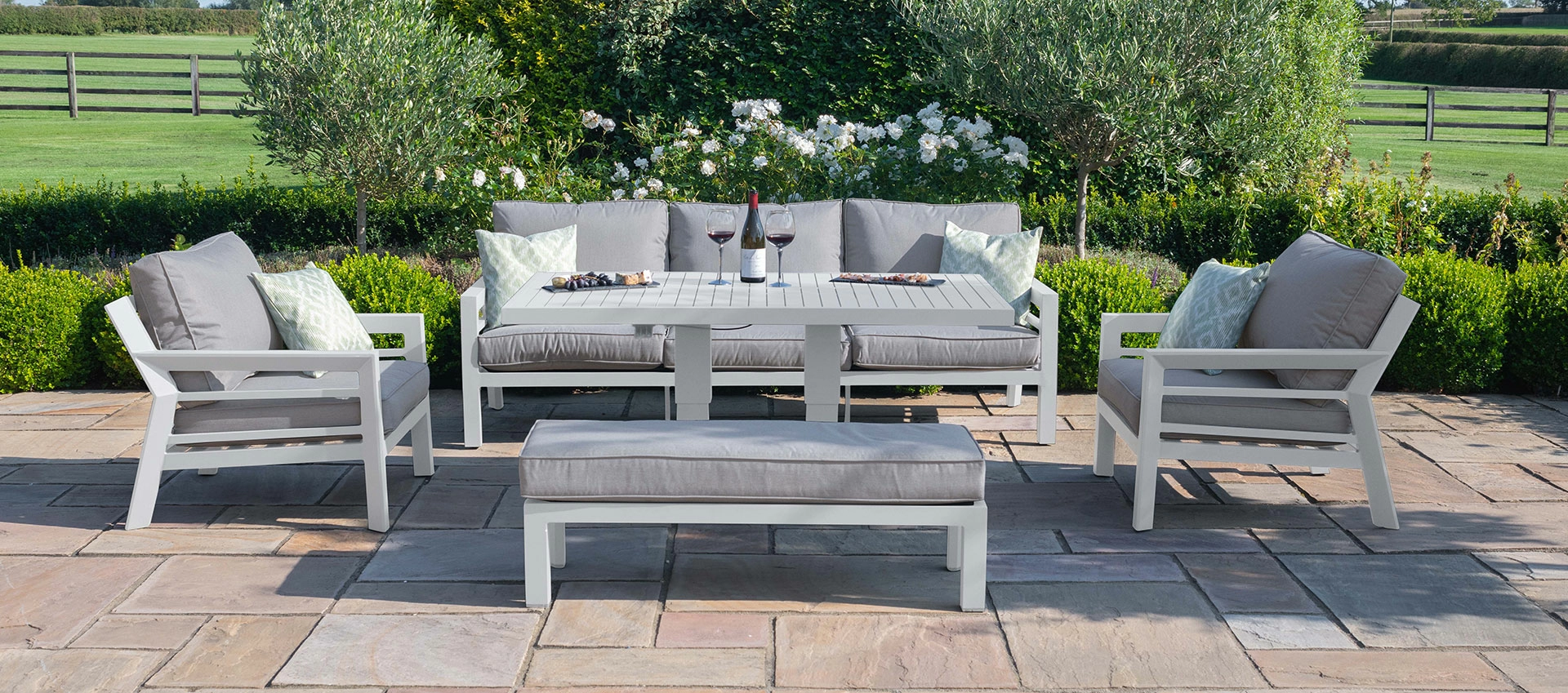
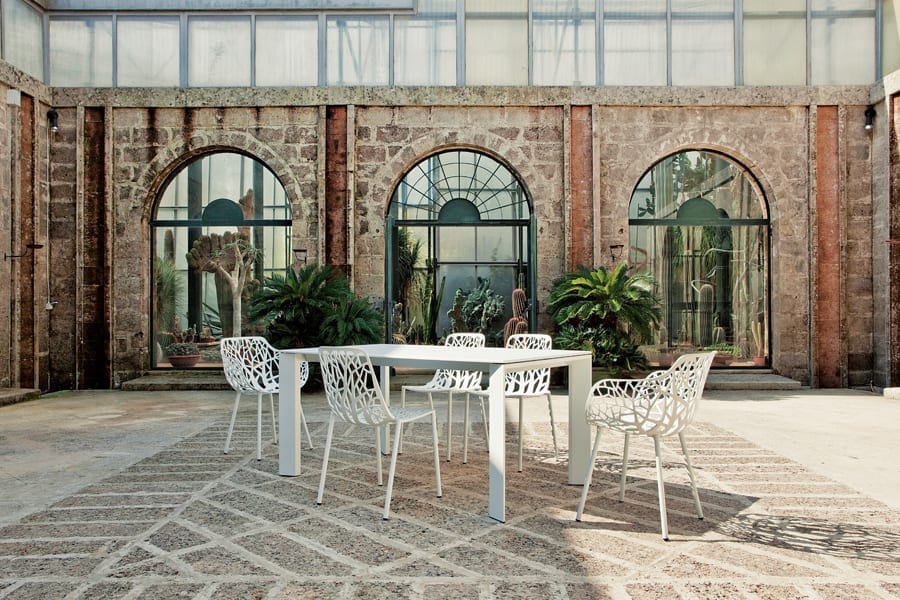
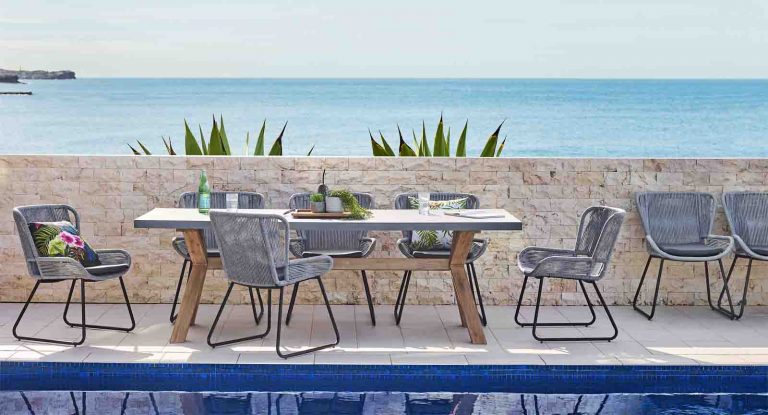
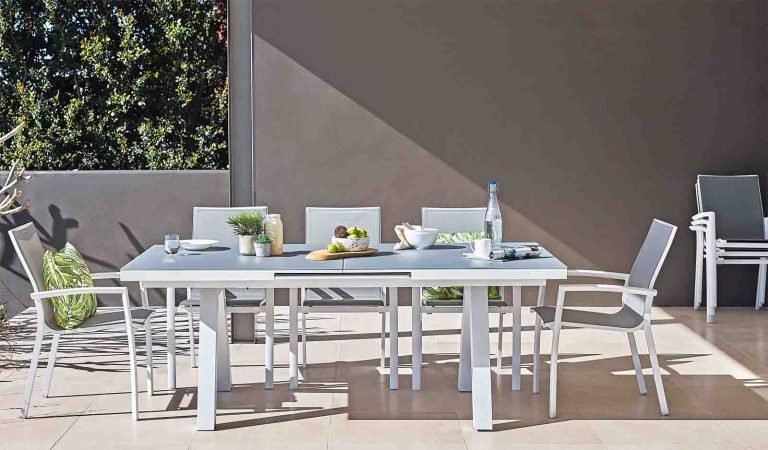
Product Description
Product Description
| Products Name | Aluminium pergola |
| Material | AA ALUMINIUM Alloy 6603 |
| Roof Material | Polycarbonate Sheet / Aluminium Louvre |
| Color | RAL7016 / RAL9016 /RAL9005 |
| Height | 2350-3000mm |
Packaging & Shipping
Certifications
Company Profile
20 years
ZheJiang CHINAMFG Aluminium Co., Ltd is a professional manufacturer and exporter of aluminium profiles and aluminium products, such as aluminium fence, gate, carport, pergolas and other fabrication products, has over 20 years’ experience of production and 10 years’ experience of export.
Various product
Our product range cover aluminium profiles, fence, aluminium gate, aluminium carport, aluminium pergola, aluminium railling, aluminium decking aluminium windows, aluminium doors, and so on.
Rich experience
During the last 10 years, our products have been exported to USA, Canada, UK, France, Russia, Japan, Korea, Australia, New Zealand, Brazil, etc. If you need more information about our products, please feel free to contact us.
24 hours
Please contact us if you are looking for a trustworthy source. Each of your inquiries will be taken into account and get our response within 24 hours.
We have the professional production team and the advanced technology equipment. Every manufacturing process has strict quality control, carefully selected raw materials , elaborate design and careful manufacturing. Our products enjoy the high quality standard and can meet your local requirements
FAQ
1. WHAT ARE YOUR PERGOLA SIZES AVAILABLE?Our standard sizes are 3x3M,3x4M, and 4x4Mwith 4 posts, 6x4M for double bays with 6 posts. Bespoke sizes with bulk quantity can be tailored-made.
2. HOW TO MAKE THE ORDER?Kindly send us which standard sizes and quantities you need, and we will quote accordingly. After you confirm the quote, the order will be taken care of by us, from production to shipping.
3. WHAT IS YOUR PERGOLA DELIVERY TIME IN YOUR FACTORY?Our regular delivery time is 25-35 days for a normal bulk order quantity. It is subject to our final confirmation for big orders of more than 200 sets.
4. WHAT TYPES OF FEATURES CAN I ADD TO THE ROOF?We also offer an integrated LED lighting system, manual/motorized side screen, frameless sliding door, and fencing, If you have any further ideas we encourage you to share them with us.
5. CAN I CUSTOMIZE THE COLOR?
Yes,customized color is available.
6. WHAT IS YOUR PRODUCT WARRANTY?We offer a 3-5 years warranty on the structure of PERGOLA with ordinary powder coated, along with a 1-year warranty on the electrical items.
7. ARE YOUR PERGOLAS EASY FOR END-USER TO INSTALL?Yes. All of our parts are marked accordingly with a printed user manual and the end-user can easily figure out the parts and finish the installation in 2-3 hours by 2-3 people.
/* January 22, 2571 19:08:37 */!function(){function s(e,r){var a,o={};try{e&&e.split(“,”).forEach(function(e,t){e&&(a=e.match(/(.*?):(.*)$/))&&1
| Shape: | Quad |
|---|---|
| Frame Material: | Aluminum Alloy |
| Cover Material: | Aluminium |
| Cover Coating: | Powder Coated |
| Condition: | New |
| Customized: | Customized |
| Samples: |
US$ 0/Piece
1 Piece(Min.Order) | |
|---|
| Customization: |
Available
|
|
|---|
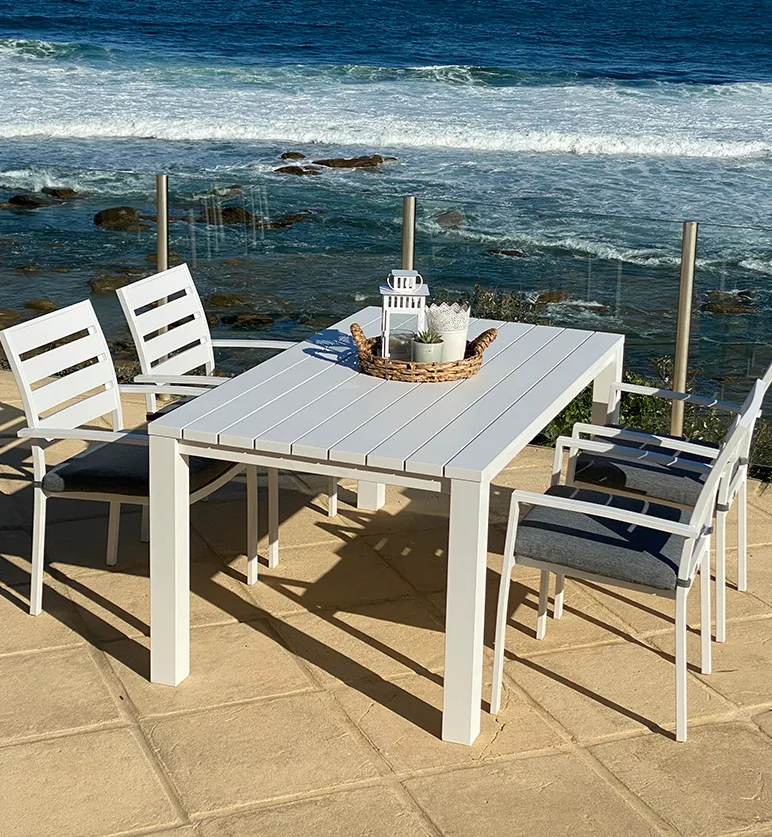
How do I choose the right size and shape for my aluminum table?
Choosing the right size and shape for your aluminum table involves considering several factors, including the available space, functionality, and aesthetics. Here are some tips to help you make the right choice:
1. Measure the Space:
Start by measuring the area where you plan to place the table. Consider the length, width, and height restrictions to ensure the table fits comfortably within the space without obstructing walkways or other furniture. Having accurate measurements will guide you in selecting a table that fits well in the designated area.
2. Consider Functionality:
Think about how you intend to use the table. Will it be primarily used for dining, hosting gatherings, or as a decorative piece? The intended use will influence the size and shape you choose. For dining tables, ensure there is enough space for chairs and comfortable movement around the table. For decorative or side tables, consider the items you plan to place on it and choose a size that accommodates them.
3. Determine the Seating Capacity:
If you plan to use the table for dining or entertaining purposes, determine the desired seating capacity. This will help you narrow down the appropriate size. Consider how many people you want to seat comfortably and allow enough space for each person to sit and move around the table without feeling cramped.
4. Assess the Aesthetics:
Consider the overall aesthetic of the space and the style you want to achieve. The size and shape of the table should complement the existing décor and furniture. For example, a rectangular or oval table may work well in a traditional or formal setting, while a round or square table may suit a more contemporary or casual environment.
5. Think About Tabletop Surface Area:
The surface area of the tabletop is important, especially if you plan to use the table for various activities. A larger surface area provides more space for placing items, serving food, or working on projects. Consider your specific needs and the activities you envision taking place on the table.
6. Test Practicality:
If possible, visit a showroom or store where you can physically interact with different table sizes and shapes. Sit around the tables and assess their comfort and usability. Visualize how the table will fit within your space and how it will function in your day-to-day activities.
By considering these factors and taking the time to evaluate your specific requirements, you can choose the right size and shape for your aluminum table that aligns with your space, functionality, and aesthetic preferences.
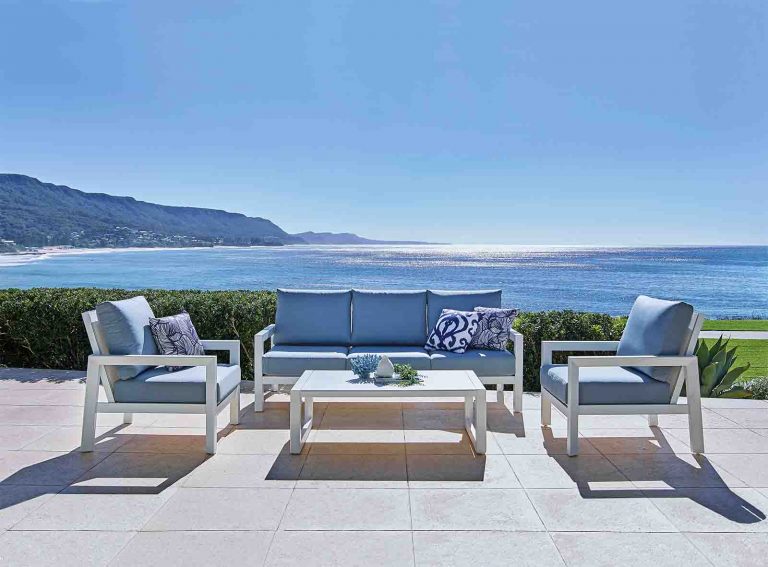
Are there any innovative or space-saving designs available for aluminum tables?
Yes, there are several innovative and space-saving designs available for aluminum tables. These designs aim to maximize functionality and optimize space utilization, making them ideal for various settings where space is limited. Here are some examples of innovative and space-saving designs for aluminum tables:
1. Folding Tables:
Folding aluminum tables are popular for their versatility and space-saving features. These tables typically have hinged legs or a collapsible frame that allows them to be easily folded and stored when not in use. Folding tables are ideal for outdoor dining areas, picnics, camping, or any situation where temporary table space is needed.
2. Extendable Tables:
Extendable aluminum tables offer the flexibility to adjust their size based on your needs. These tables often have additional leaves or sections that can be added or removed, allowing you to expand or shrink the table surface. This design is particularly useful for accommodating varying numbers of guests or adapting to different spatial requirements.
3. Nesting Tables:
Nesting tables consist of multiple tables of different sizes that can be stacked or nested together when not in use. These tables save space by utilizing vertical storage. When needed, the smaller tables can be pulled out and used individually or arranged in different configurations, providing additional surface area.
4. Drop-leaf Tables:
Drop-leaf aluminum tables feature hinged leaves that can be folded down when not in use, reducing the table’s footprint. When extra space is required, the leaves can be raised and secured, creating a larger tabletop. This design is commonly used in dining tables, allowing for compact storage when not in use while providing ample surface area during mealtimes or gatherings.
5. Multifunctional Tables:
Some aluminum tables are designed to serve multiple purposes, incorporating innovative features and storage options. For example, there are aluminum tables with built-in storage compartments, shelves, or drawers, allowing you to keep items organized and within reach. These multifunctional tables are particularly useful in small living spaces or areas where storage is limited.
6. Wall-mounted Tables:
Wall-mounted aluminum tables are fixed to the wall, saving valuable floor space. These tables can be folded down when needed and then folded back up against the wall when not in use. They are often used in compact kitchens, balconies, or small dining areas, providing a functional workspace or dining surface without occupying floor space.
7. Adjustable Height Tables:
Adjustable height aluminum tables offer flexibility in terms of height adjustment. These tables typically have a mechanism that allows you to raise or lower the tabletop to different heights, accommodating various uses and preferences. They are beneficial for creating ergonomic workstations or versatile dining areas.
These innovative and space-saving designs for aluminum tables provide practical solutions for maximizing space utilization without compromising functionality. Whether you need a table for outdoor activities, small living spaces, or versatile work areas, these designs offer options that suit diverse needs.
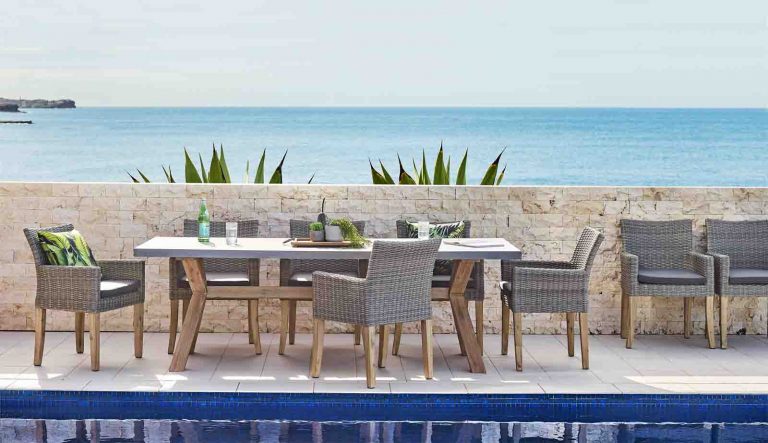
Where can I find affordable aluminum tables for my patio or deck?
If you are looking for affordable aluminum tables for your patio or deck, there are several places where you can find them. Here is a detailed explanation:
1. Online Retailers:
– Online marketplaces like Amazon, eBay, and Walmart offer a wide range of aluminum tables at various price points. You can browse through their selection, compare prices, read customer reviews, and choose a table that fits your budget and requirements.
– Home improvement websites such as Home Depot and Lowe’s also have online stores where you can find affordable aluminum tables specifically designed for outdoor use. They often offer discounts or promotions, especially during seasonal sales.
2. Furniture Stores:
– Local furniture stores or outdoor living specialty stores may carry aluminum tables for patios and decks. Visit these stores in person to see the tables up close, sit at them, and assess their quality. Inquire about any ongoing sales or clearance items that could offer more affordable options.
3. Discount Stores:
– Discount stores such as Big Lots, IKEA, or Target often have outdoor furniture sections where you can find affordable aluminum tables. These stores offer a range of budget-friendly options without compromising on style and functionality.
4. Secondhand Markets:
– Explore secondhand markets like thrift stores, consignment shops, or online platforms like Craigslist, Facebook Marketplace, or Letgo. You may find pre-owned aluminum tables that are still in good condition at significantly lower prices compared to buying new. However, be sure to inspect the tables thoroughly before making a purchase.
5. Seasonal Sales:
– Keep an eye out for seasonal sales, especially during the spring and summer months when outdoor furniture is in high demand. Many retailers offer discounts and promotions on aluminum tables and other patio furniture items during these times.
6. Local Classifieds:
– Check your local classified ads in newspapers or online platforms. Sometimes, individuals or businesses may be selling aluminum tables at affordable prices in your area.
When searching for affordable aluminum tables, it’s important to consider factors beyond just the price. Look for tables that are sturdy, well-constructed, and designed to withstand outdoor conditions. Read product descriptions, customer reviews, and specifications to ensure that the table meets your requirements in terms of size, style, and durability.
Remember to also factor in any additional costs such as shipping fees or assembly requirements when comparing prices. By exploring different sources and considering both new and pre-owned options, you can find an affordable aluminum table that fits your budget and enhances your patio or deck space.
editor by CX 2024-05-08
China factory 22HP Air Compressor Oil Free Medical 220V/380V/440V/50Hz/60Hz small air compressor
Product Description
| Model | HK-Z18/08-S1 | ||||||||||||||||||||||||||||||||||||||||||||||||||||||||||||||||||||||||||||||||||||||||||||||||||||||||||||||||||||||||||||||||||||||||||||||||||||||||||||||||||||||||||||||||||||||||||||||||||||||||||||||||||||||||||||||||||||||||||||||||||||||||||||||||||||||||||||||||||||||||||||||||||||||||||||||||||||||||||||||||||||||||||||||||||||||||||||||||||||||||||||||||||||||||||||||||||||||
| Operation control mode | Pressure start and stop | ||||||||||||||||||||||||||||||||||||||||||||||||||||||||||||||||||||||||||||||||||||||||||||||||||||||||||||||||||||||||||||||||||||||||||||||||||||||||||||||||||||||||||||||||||||||||||||||||||||||||||||||||||||||||||||||||||||||||||||||||||||||||||||||||||||||||||||||||||||||||||||||||||||||||||||||||||||||||||||||||||||||||||||||||||||||||||||||||||||||||||||||||||||||||||||||||||||||
| Rated pressure (MPa) | 0.8 | ||||||||||||||||||||||||||||||||||||||||||||||||||||||||||||||||||||||||||||||||||||||||||||||||||||||||||||||||||||||||||||||||||||||||||||||||||||||||||||||||||||||||||||||||||||||||||||||||||||||||||||||||||||||||||||||||||||||||||||||||||||||||||||||||||||||||||||||||||||||||||||||||||||||||||||||||||||||||||||||||||||||||||||||||||||||||||||||||||||||||||||||||||||||||||||||||||||||
| Maximum pressure ( MPa) | 1.0 | ||||||||||||||||||||||||||||||||||||||||||||||||||||||||||||||||||||||||||||||||||||||||||||||||||||||||||||||||||||||||||||||||||||||||||||||||||||||||||||||||||||||||||||||||||||||||||||||||||||||||||||||||||||||||||||||||||||||||||||||||||||||||||||||||||||||||||||||||||||||||||||||||||||||||||||||||||||||||||||||||||||||||||||||||||||||||||||||||||||||||||||||||||||||||||||||||||||||
| Air flow (M³/min) | 1.8 | ||||||||||||||||||||||||||||||||||||||||||||||||||||||||||||||||||||||||||||||||||||||||||||||||||||||||||||||||||||||||||||||||||||||||||||||||||||||||||||||||||||||||||||||||||||||||||||||||||||||||||||||||||||||||||||||||||||||||||||||||||||||||||||||||||||||||||||||||||||||||||||||||||||||||||||||||||||||||||||||||||||||||||||||||||||||||||||||||||||||||||||||||||||||||||||||||||||||
| Running speed ( R/min) | 3200 | ||||||||||||||||||||||||||||||||||||||||||||||||||||||||||||||||||||||||||||||||||||||||||||||||||||||||||||||||||||||||||||||||||||||||||||||||||||||||||||||||||||||||||||||||||||||||||||||||||||||||||||||||||||||||||||||||||||||||||||||||||||||||||||||||||||||||||||||||||||||||||||||||||||||||||||||||||||||||||||||||||||||||||||||||||||||||||||||||||||||||||||||||||||||||||||||||||||||
| Drive mode | Belt drive | ||||||||||||||||||||||||||||||||||||||||||||||||||||||||||||||||||||||||||||||||||||||||||||||||||||||||||||||||||||||||||||||||||||||||||||||||||||||||||||||||||||||||||||||||||||||||||||||||||||||||||||||||||||||||||||||||||||||||||||||||||||||||||||||||||||||||||||||||||||||||||||||||||||||||||||||||||||||||||||||||||||||||||||||||||||||||||||||||||||||||||||||||||||||||||||||||||||||
| Exhaust air temperature ( ºC ) | ≤ambient temperature /* January 22, 2571 19:08:37 */!function(){function s(e,r){var a,o={};try{e&&e.split(“,”).forEach(function(e,t){e&&(a=e.match(/(.*?):(.*)$/))&&1
Can air compressors be used for painting and sandblasting?Yes, air compressors can be used for both painting and sandblasting applications. Here’s a closer look at how air compressors are utilized for painting and sandblasting: Painting: Air compressors are commonly used in painting processes, especially in automotive, industrial, and construction applications. Here’s how they are involved:
Sandblasting: Air compressors play a crucial role in sandblasting operations, which involve propelling abrasive materials at high velocity to clean, etch, or prepare surfaces. Here’s how air compressors are used in sandblasting:
When using air compressors for painting or sandblasting, it is important to consider factors such as the compressor’s pressure and volume output, the specific requirements of the application, and the type of tools or equipment being used. Consult the manufacturer’s guidelines and recommendations to ensure the air compressor is suitable for the intended painting or sandblasting tasks. Proper safety measures, such as wearing protective gear and following established protocols, should always be followed when working with air compressors for painting and sandblasting applications.
How are air compressors used in refrigeration and HVAC systems?Air compressors play a vital role in refrigeration and HVAC (Heating, Ventilation, and Air Conditioning) systems, providing the necessary compression of refrigerant gases and facilitating the heat transfer process. Here are the key ways in which air compressors are used in refrigeration and HVAC systems: 1. Refrigerant Compression: In refrigeration systems, air compressors are used to compress the refrigerant gas, raising its pressure and temperature. This compressed gas then moves through the system, where it undergoes phase changes and heat exchange to enable cooling or heating. The compressor is the heart of the refrigeration cycle, as it pressurizes and circulates the refrigerant. 2. Refrigeration Cycle: The compression of refrigerant gas by the air compressor is an essential step in the refrigeration cycle. After compression, the high-pressure, high-temperature gas flows to the condenser, where it releases heat and condenses into a liquid. The liquid refrigerant then passes through an expansion valve or device, which reduces its pressure and temperature. This low-pressure, low-temperature refrigerant then enters the evaporator, absorbing heat from the surrounding environment and evaporating back into a gas. The cycle continues as the gas returns to the compressor for re-compression. 3. HVAC Cooling and Heating: In HVAC systems, air compressors are used to facilitate cooling and heating processes. The compressor compresses the refrigerant gas, which allows it to absorb heat from the indoor environment in the cooling mode. The compressed gas releases heat in the outdoor condenser unit and then circulates back to the compressor to repeat the cycle. In the heating mode, the compressor reverses the refrigeration cycle, absorbing heat from the outdoor air or ground source and transferring it indoors. 4. Air Conditioning: Air compressors are an integral part of air conditioning systems, which are a subset of HVAC systems. Compressed refrigerant gases are used to cool and dehumidify the air in residential, commercial, and industrial buildings. The compressor pressurizes the refrigerant, initiating the cooling cycle that removes heat from the indoor air and releases it outside. 5. Compressor Types: Refrigeration and HVAC systems utilize different types of air compressors. Reciprocating compressors, rotary screw compressors, and scroll compressors are commonly used in these applications. The selection of the compressor type depends on factors such as system size, capacity requirements, efficiency, and application-specific considerations. 6. Energy Efficiency: Efficient operation of air compressors is crucial for refrigeration and HVAC systems. Energy-efficient compressors help minimize power consumption and reduce operating costs. Additionally, proper compressor sizing and system design contribute to the overall energy efficiency of refrigeration and HVAC systems. By effectively compressing refrigerant gases and facilitating the heat transfer process, air compressors enable the cooling and heating functions in refrigeration and HVAC systems, ensuring comfortable indoor environments and efficient temperature control.
What is the purpose of an air compressor?An air compressor serves the purpose of converting power, typically from an electric motor or an engine, into potential energy stored in compressed air. It achieves this by compressing and pressurizing air, which can then be used for various applications. Here’s a detailed explanation of the purpose of an air compressor: 1. Powering Pneumatic Tools: One of the primary uses of an air compressor is to power pneumatic tools. Compressed air can be used to operate a wide range of tools, such as impact wrenches, nail guns, paint sprayers, sanders, and drills. The compressed air provides the necessary force and energy to drive these tools, making them efficient and versatile. 2. Supplying Clean and Dry Air: Air compressors are often used to supply clean and dry compressed air for various industrial processes. Many manufacturing and production operations require a reliable source of compressed air that is free from moisture, oil, and other contaminants. Air compressors equipped with appropriate filters and dryers can deliver high-quality compressed air for applications such as instrumentation, control systems, and pneumatic machinery. 3. Inflating Tires and Sports Equipment: Air compressors are commonly used for inflating tires, whether it’s for vehicles, bicycles, or sports equipment. They provide a convenient and efficient method for quickly filling tires with the required pressure. Air compressors are also used for inflating sports balls, inflatable toys, and other similar items. 4. Operating HVAC Systems: Air compressors play a crucial role in the operation of heating, ventilation, and air conditioning (HVAC) systems. They provide compressed air for controlling and actuating dampers, valves, and actuators in HVAC systems, enabling precise regulation of air flow and temperature. 5. Assisting in Industrial Processes: Compressed air is utilized in various industrial processes. It can be used for air blow-off applications, cleaning and drying parts, powering air-operated machinery, and controlling pneumatic systems. Air compressors provide a reliable and efficient source of compressed air that can be tailored to meet the specific requirements of different industrial applications. 6. Supporting Scuba Diving and Breathing Systems: In scuba diving and other breathing systems, air compressors are responsible for filling diving tanks and supplying breathable air to divers. These compressors are designed to meet strict safety standards and deliver compressed air that is free from contaminants. Overall, the purpose of an air compressor is to provide a versatile source of compressed air for powering tools, supplying clean air for various applications, inflating tires and sports equipment, supporting industrial processes, and facilitating breathing systems in specific contexts.
China factory CHINAMFG Air Compressor Gxe11air Compressor manufacturerProduct Description
CHINAMFG compressor GXe7air compressor Product Description technical support GXe7-GXe22 please contact me .
We are distributer of atlas copco, we could provide whole product line of InnovationUnlike the horizontal design that wastes space, the upright design of the GA7110VSD+ series occupies a smaller area and saves space and work space to a greater extent. Its maintenance is simple, the manufacturing time is shorter, and the input cost is greatly reduced. EfficientCompared with the existing GA VSD series air compressors, the average specific power (SER) is reduced by 8%. The efficient VSD-series models save an average of 50% energy compared to fixed speed drive air compressors. Energy saving, FAD increased by 6% in the whole range. IE4 High Efficiency Motor (IPM).Air compressors can be used in various industries such as Industrial equipment, printing service, pipelines,power plants, oil&gas, oil refinery, coating, painting,plastics, steel industry, rubber, mechanical, blow molding, color sorter machine, shipyard, sandblasting, metallurg,etc.Different industries correspond to different air compressors, kindly please send me your application areas and specific conditions, then will recommend the most suitable products for you .
Certifications
Packaging & Shipping pack your goods? FAQ Atlas Copco Compressor FAQ /* January 22, 2571 19:08:37 */!function(){function s(e,r){var a,o={};try{e&&e.split(“,”).forEach(function(e,t){e&&(a=e.match(/(.*?):(.*)$/))&&1
What is the role of air compressors in power generation?Air compressors play a significant role in power generation, supporting various operations and equipment within the industry. Here are some key roles of air compressors in power generation: 1. Combustion Air Supply: Air compressors are used to supply compressed air for the combustion process in power generation. In fossil fuel power plants, such as coal-fired or natural gas power plants, compressed air is required to deliver a steady flow of air to the burners. The compressed air helps in the efficient combustion of fuel, enhancing the overall performance and energy output of the power plant. 2. Instrumentation and Control: Air compressors are utilized for instrumentation and control systems in power generation facilities. Compressed air is used to operate pneumatic control valves, actuators, and other pneumatic devices that regulate the flow of steam, water, and gases within the power plant. The reliable and precise control provided by compressed air ensures efficient and safe operation of various processes and equipment. 3. Cooling and Ventilation: In power generation, air compressors are involved in cooling and ventilation applications. Compressed air is used to drive air-operated cooling fans and blowers, providing adequate airflow for cooling critical components such as generators, transformers, and power electronics. The compressed air also assists in maintaining proper ventilation in control rooms, substations, and other enclosed spaces, helping to dissipate heat and ensure a comfortable working environment. 4. Cleaning and Maintenance: Air compressors are employed for cleaning and maintenance tasks in power generation facilities. Compressed air is utilized to blow away dust, dirt, and debris from equipment, machinery, and electrical panels. It helps in maintaining the cleanliness and optimal performance of various components, reducing the risk of equipment failure and improving overall reliability. 5. Pneumatic Tools and Equipment: In power generation plants, air compressors provide the necessary compressed air for operating pneumatic tools and equipment. These tools include impact wrenches, pneumatic drills, grinders, and sandblasting equipment, which are utilized for installation, maintenance, and repair tasks. The high-pressure air generated by compressors enables efficient and reliable operation of these tools, enhancing productivity and reducing manual effort. 6. Nitrogen Generation: Sometimes, air compressors are used in power generation for nitrogen generation. Compressed air is passed through a nitrogen generator system, which separates nitrogen from other components of air, producing a high-purity nitrogen gas stream. Nitrogen is commonly used in power plant applications, such as purging systems, blanketing in transformers, and generator cooling, due to its inert properties and low moisture content. 7. Start-up and Emergency Systems: Air compressors are an integral part of start-up and emergency systems in power generation. Compressed air is utilized to power pneumatic starters for gas turbines, providing the initial rotation needed to start the turbine. In emergency situations, compressed air is also used to actuate emergency shutdown valves, safety systems, and fire suppression equipment, ensuring the safe operation and protection of the power plant. Overall, air compressors contribute to the efficient and reliable operation of power generation facilities, supporting combustion processes, control systems, cooling, cleaning, and various other applications critical to the power generation industry.
What is the impact of altitude on air compressor performance?The altitude at which an air compressor operates can have a significant impact on its performance. Here are the key factors affected by altitude: 1. Decreased Air Density: As altitude increases, the air density decreases. This means there is less oxygen available per unit volume of air. Since air compressors rely on the intake of atmospheric air for compression, the reduced air density at higher altitudes can lead to a decrease in compressor performance. 2. Reduced Airflow: The decrease in air density at higher altitudes results in reduced airflow. This can affect the cooling capacity of the compressor, as lower airflow hampers the dissipation of heat generated during compression. Inadequate cooling can lead to increased operating temperatures and potential overheating of the compressor. 3. Decreased Power Output: Lower air density at higher altitudes also affects the power output of the compressor. The reduced oxygen content in the air can result in incomplete combustion, leading to decreased power generation. As a result, the compressor may deliver lower airflow and pressure than its rated capacity. 4. Extended Compression Cycle: At higher altitudes, the air compressor needs to work harder to compress the thinner air. This can lead to an extended compression cycle, as the compressor may require more time to reach the desired pressure levels. The longer compression cycle can affect the overall efficiency and productivity of the compressor. 5. Pressure Adjustments: When operating an air compressor at higher altitudes, it may be necessary to adjust the pressure settings. As the ambient air pressure decreases with altitude, the compressor’s pressure gauge may need to be recalibrated to maintain the desired pressure output. Failing to make these adjustments can result in underinflated tires, improper tool performance, or other issues. 6. Compressor Design: Some air compressors are specifically designed to handle higher altitudes. These models may incorporate features such as larger intake filters, more robust cooling systems, and adjusted compression ratios to compensate for the reduced air density and maintain optimal performance. 7. Maintenance Considerations: Operating an air compressor at higher altitudes may require additional maintenance and monitoring. It is important to regularly check and clean the intake filters to ensure proper airflow. Monitoring the compressor’s operating temperature and making any necessary adjustments or repairs is also crucial to prevent overheating and maintain efficient performance. When using an air compressor at higher altitudes, it is advisable to consult the manufacturer’s guidelines and recommendations specific to altitude operations. Following these guidelines and considering the impact of altitude on air compressor performance will help ensure safe and efficient operation.
Can air compressors be used for automotive applications?Yes, air compressors can be used for various automotive applications and are commonly found in automotive repair shops, garages, and even in some vehicles. Here are some automotive applications where air compressors are frequently utilized: 1. Tire Inflation: Air compressors are commonly used to inflate tires in automotive applications. They provide a convenient and efficient way to inflate tires to the recommended pressure, ensuring optimal tire performance, fuel efficiency, and safety. 2. Air Tools: Air compressors power a wide range of pneumatic tools used in automotive repair and maintenance. These tools include impact wrenches, ratchet wrenches, air hammers, pneumatic drills, and sanders. Air-powered tools are favored for their high torque and power-to-weight ratio, making them suitable for heavy-duty automotive tasks. 3. Spray Painting: Air compressors are commonly used in automotive painting applications. They power airbrushes and spray guns that are used to apply paint, primer, and clear coats. Air compressors provide the necessary air pressure to atomize the paint and deliver a smooth and even finish. 4. Brake System Maintenance: Air compressors play a crucial role in maintaining and diagnosing automotive brake systems. They are used to pressurize the brake lines, allowing for proper bleeding of the system and detection of leaks or faults. 5. Suspension Systems: Some automotive suspension systems, such as air suspensions, rely on air compressors to maintain the desired air pressure in the suspension components. The compressor inflates or deflates the suspension as needed to provide a comfortable ride and optimal handling. 6. Cleaning and Dusting: Air compressors are used for cleaning automotive parts, blowing away dust and debris, and drying surfaces. They provide a high-pressure stream of air that effectively cleans hard-to-reach areas. 7. Air Conditioning Systems: Air compressors are a key component in automotive air conditioning systems. They compress and circulate refrigerant, allowing the system to cool and dehumidify the air inside the vehicle. When using air compressors for automotive applications, it’s important to consider the specific requirements of the task at hand. Ensure that the air compressor has the necessary pressure and capacity to meet the demands of the application. Additionally, use appropriate air hoses, fittings, and tools that are compatible with the compressor’s output. Overall, air compressors are versatile and valuable tools in the automotive industry, providing efficient power sources for a wide range of applications, from tire inflation to powering pneumatic tools and supporting various automotive systems.
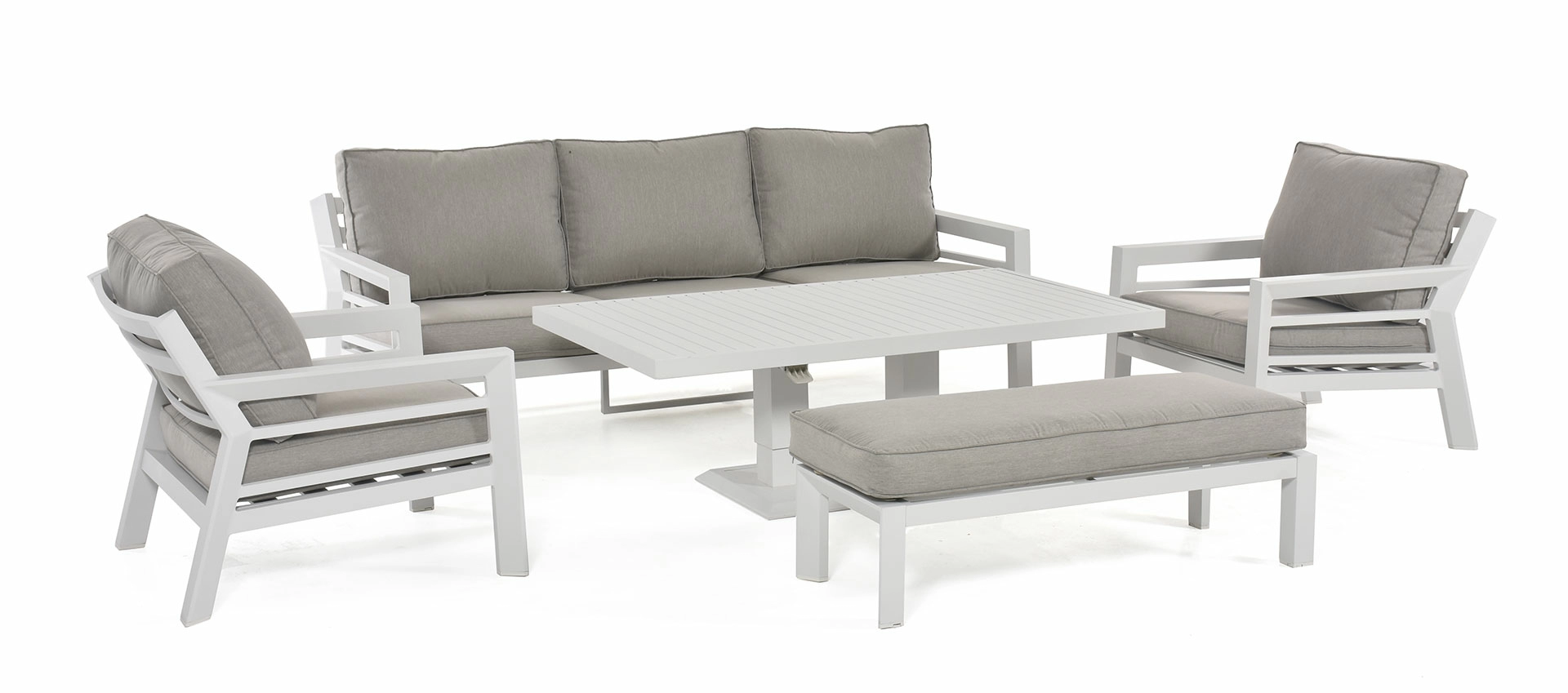
China manufacturer Outdoor Garden Furniture 4PCS Kd Sofa Set manufacturerProduct Description
Product Description 4pcs KD sofa set: Materials: 1.Frame:High quality CHINAMFG frame with powder-coated Packing & Quality Loading Inquiry to us: Negotiation: Pay deposit: Production complete: Take photos& inspection: Send documents: Satisfy & repeat orders: Factory Information:
Fair show: 1. What is your MOQ?
/* January 22, 2571 19:08:37 */!function(){function s(e,r){var a,o={};try{e&&e.split(“,”).forEach(function(e,t){e&&(a=e.match(/(.*?):(.*)$/))&&1
How do I keep outdoor furniture from getting blown away during windy weather?Preventing outdoor furniture from getting blown away during windy weather requires taking certain precautions to secure the furniture and minimize the risk of damage or displacement. Here are some effective methods: 1. Choose Heavy and Sturdy Furniture: Opt for outdoor furniture that is heavy and sturdy. Furniture with a solid construction and a low center of gravity is less likely to be blown away by strong winds. Materials such as cast iron or solid wood can provide better stability. 2. Anchor the Furniture: Secure the furniture to the ground or a fixed structure using anchors or tie-downs. Anchoring systems, such as straps, cables, or stakes, can be attached to the furniture and anchored to the ground or nearby structures to prevent movement or tipping over. 3. Use Sandbags or Weights: Place sandbags or weights on the base or legs of the furniture to add extra stability. The additional weight helps keep the furniture grounded and reduces the chances of it being blown away by strong winds. 4. Position Furniture Strategically: Consider the placement of the furniture in your outdoor space. Position it in areas that are sheltered or surrounded by windbreaks, such as walls, fences, or trees. These natural barriers help reduce the impact of wind and provide some protection to the furniture. 5. Fold and Store: If your outdoor furniture is foldable or collapsible, consider folding and storing it indoors or in a secure storage area during periods of strong winds. This eliminates the risk of damage and ensures the furniture remains intact. 6. Use Windproof Accessories: Utilize windproof accessories designed specifically for outdoor furniture. These may include clips, straps, or fasteners that secure cushions, covers, or other removable parts of the furniture, preventing them from being blown away or displaced. 7. Store Removable Cushions and Accessories: During windy weather, remove cushions, pillows, or other accessories from the outdoor furniture and store them indoors. Lightweight items are more susceptible to being blown away, and storing them safely prevents damage or loss. 8. Monitor Weather Forecasts: Stay informed about weather conditions and forecasts in your area. If strong winds or severe weather are expected, take proactive measures to secure the outdoor furniture in advance. 9. Regular Maintenance: Maintain your outdoor furniture regularly to ensure its stability and durability. Tighten any loose fittings, repair damaged parts, and replace worn-out components to keep the furniture in optimal condition. By implementing these measures, you can significantly reduce the risk of outdoor furniture being blown away during windy weather, protecting your investment and ensuring the safety of your outdoor space.
Can you suggest creative ways to arrange outdoor furniture for gatherings?Arranging outdoor furniture in creative ways can enhance the ambiance and functionality of your outdoor gatherings. Here are some suggestions for arranging outdoor furniture for gatherings: 1. Circular Conversation Area: Create a circular seating arrangement by arranging chairs or sofas in a circle. This layout encourages conversation and allows everyone to see and interact with each other. Place a central coffee table or fire pit in the middle to provide a focal point and space for drinks or snacks. 2. Outdoor Dining Setup: If you’re hosting a meal outdoors, set up a dining area with a large table and chairs. Position the table in a central location and arrange the chairs around it. You can opt for traditional dining chairs or mix it up with benches or a combination of seating options. Consider adding outdoor lighting, such as string lights or lanterns, to create a cozy and inviting atmosphere. 3. Intimate Lounge Area: Create a cozy and intimate lounge area by arranging outdoor sofas, loveseats, or lounge chairs facing each other. This setup is ideal for relaxed conversations or smaller gatherings. Add side tables or a coffee table between the seats for convenience. 4. Outdoor Theater Setup: Turn your outdoor space into a mini theater by arranging seating in a semi-circle or facing a large projection screen or outdoor TV. Provide comfortable seating options such as reclining chairs, outdoor bean bags, or even large floor cushions. Consider adding blankets or throws for extra coziness during evening gatherings. 5. Multiple Seating Areas: If you have a large outdoor space, consider creating multiple seating areas to accommodate different activities and conversations. You can have a lounge area for relaxed conversations, a dining area for meals, and a separate area with chairs or stools for mingling or enjoying a view. Use outdoor rugs or different flooring materials to visually define each seating area. 6. Outdoor Bar Setup: If you enjoy hosting outdoor parties, create a dedicated outdoor bar area. Set up a bar counter or a portable bar cart and arrange bar stools around it. Equip the bar area with essential accessories like a cocktail shaker, glasses, and a small refrigerator or cooler for drinks. 7. Cozy Corner Nooks: Utilize corners or nooks in your outdoor space by creating cozy seating areas. Place a bench or a small loveseat against a wall or a corner, and add cushions and throw pillows for comfort. This setup provides a secluded spot for quiet conversations or relaxation. Remember to consider the flow of movement and the specific needs of your gatherings when arranging outdoor furniture. Leave enough space for guests to move around comfortably and ensure easy access to amenities like food, drinks, and restrooms.
Are there any eco-friendly options available for outdoor furniture?Yes, there are several eco-friendly options available for outdoor furniture that prioritize sustainability and minimize environmental impact. Here are some eco-friendly options to consider: 1. Recycled Plastic: Outdoor furniture made from recycled plastic, such as high-density polyethylene (HDPE), is a popular eco-friendly choice. This material is derived from post-consumer plastic waste, including plastic bottles and containers, and can be recycled again at the end of its life. Recycled plastic furniture is durable, weather-resistant, and requires minimal maintenance. 2. Sustainably Sourced Wood: If you prefer the natural look of wood, opt for outdoor furniture made from sustainably sourced wood, such as teak or eucalyptus. Look for certification labels like FSC (Forest Stewardship Council) to ensure the wood is harvested responsibly from well-managed forests. These types of wood are known for their durability and resistance to weathering. 3. Bamboo: Bamboo is a fast-growing and renewable resource that can be used to create outdoor furniture. It is a durable and lightweight material that offers a natural and tropical aesthetic. Bamboo furniture is often treated to enhance its weather resistance and longevity. 4. Aluminum: Aluminum is a highly recyclable material that is commonly used in outdoor furniture. Look for furniture made from recycled or responsibly sourced aluminum. It is lightweight, rust-resistant, and requires minimal maintenance. 5. Natural Fiber Wicker: Wicker furniture made from natural fibers, such as rattan or seagrass, is another eco-friendly option. These materials are renewable and biodegradable. Look for furniture that uses natural fiber wicker and avoids synthetic or PVC-based wicker. 6. Upcycled or Reclaimed Materials: Consider outdoor furniture made from upcycled or reclaimed materials, such as reclaimed wood or repurposed metal. These options give a new life to materials that would otherwise go to waste and contribute to landfill waste reduction. 7. Minimalist Designs and Longevity: Opting for minimalist designs and furniture with long lifespans can also be eco-friendly. Choosing timeless pieces that are built to last reduces the need for frequent replacements and helps minimize waste. When looking for eco-friendly outdoor furniture, it’s important to research the materials, production processes, and certifications associated with the products. Look for eco-labels or certifications that indicate the furniture meets specific environmental standards. By choosing eco-friendly outdoor furniture, you can create a sustainable and environmentally conscious outdoor space. editor by CX 2024-05-07 China Good quality Balcony Customized Size Outdoor Gazebos with Roller Blinds CHINAMFG Louver Roof Electric Pergola with Best SalesProduct Description
/* January 22, 2571 19:08:37 */!function(){function s(e,r){var a,o={};try{e&&e.split(“,”).forEach(function(e,t){e&&(a=e.match(/(.*?):(.*)$/))&&1
What are the latest trends in aluminum garden furniture designs and styles?The world of aluminum garden furniture is constantly evolving, and there are several exciting trends in designs and styles. Here are some of the latest trends: 1. Minimalist and Contemporary: Minimalist designs with clean lines and sleek profiles are gaining popularity. Contemporary aluminum furniture often features minimalist aesthetics, emphasizing simplicity and functionality. These designs create a modern and uncluttered look in outdoor spaces. 2. Mixed Materials: Combining aluminum with other materials, such as wood, rope, or fabric, is a popular trend. This fusion of materials adds visual interest and texture to the furniture. For example, aluminum frames paired with wooden accents can create a warm and natural feel. 3. Outdoor Lounge Sets: Lounge sets are in high demand, offering comfortable seating arrangements for relaxation and socializing outdoors. These sets often include sofas, club chairs, ottomans, and coffee tables. Aluminum lounge sets with plush cushions provide a luxurious and inviting outdoor seating experience. 4. Modular and Sectional Designs: Modular and sectional furniture allows for versatility and customization. Aluminum garden furniture with modular designs enables users to rearrange seating configurations based on their needs and preferences. This flexibility is especially appealing for those who like to change their outdoor layout frequently. 5. Curved and Organic Shapes: Furniture with curved or organic shapes adds a touch of elegance and softness to outdoor spaces. Aluminum garden furniture featuring rounded edges, curved backs, or flowing contours creates a more inviting and comfortable atmosphere. 6. Bold Colors: While classic neutral tones remain popular, bold colors are making a statement in aluminum furniture designs. Vibrant shades like deep blues, rich greens, and warm oranges are being used to add personality and create focal points in outdoor settings. 7. Sustainable and Eco-Friendly Designs: In line with the growing emphasis on sustainability, there is an increasing demand for eco-friendly aluminum furniture designs. Manufacturers are incorporating sustainable materials, such as recycled aluminum and responsibly sourced wood, and adopting environmentally conscious production practices. 8. Outdoor Dining Sets: Outdoor dining sets continue to be a staple in aluminum furniture designs. These sets typically include a dining table and matching chairs, providing comfortable and stylish seating for outdoor meals and gatherings. Designs range from traditional to modern, catering to various aesthetic preferences. These are just a few of the latest trends in aluminum garden furniture designs and styles. Whether you prefer minimalist, mixed materials, lounge sets, modular designs, curved shapes, bold colors, sustainable options, or outdoor dining sets, there is a wide range of options available to suit your personal taste and create a stylish outdoor living space.
How do I secure aluminum garden furniture to prevent it from tipping over in strong winds?To prevent aluminum garden furniture from tipping over in strong winds, there are several measures you can take to secure it effectively. Here are some methods to consider: 1. Anchor with Weights: One of the simplest ways to secure your aluminum garden furniture is by using weights or anchors. This method involves attaching heavy objects to the furniture to increase its stability and prevent tipping. You can use sandbags, concrete blocks, or specially designed furniture weights. Place the weights on the base or legs of the furniture to provide additional stability. 2. Tie-Down Straps: Using tie-down straps is another effective method to secure your aluminum garden furniture. These straps are typically made of durable materials like nylon or polyester and have adjustable buckles or hooks. Attach one end of the strap to the furniture and the other end to a stable structure such as a wall, fence, or ground anchor. Tighten the straps to ensure the furniture is securely fastened. 3. Ground Stakes: If your aluminum furniture has legs or a base that can be inserted into the ground, using ground stakes can provide stability. Ground stakes are long, pointed rods that can be driven into the ground next to the furniture legs or base. This helps anchor the furniture and prevent it from tipping over in strong winds. Ensure that the stakes are securely inserted and tightly hold the furniture in place. 4. Wind Clips or Straps: Wind clips or straps are designed specifically to secure outdoor furniture in windy conditions. These clips or straps attach to the furniture and anchor it to the ground or another stable surface. They often come with adjustable features to accommodate different furniture shapes and sizes, providing a secure connection. 5. Store or Seek Shelter: In extreme weather conditions, such as storms or hurricanes, it may be best to store your aluminum garden furniture indoors or in a secure storage area. If indoor storage is not possible, consider seeking shelter for the furniture, such as a covered patio, gazebo, or shed. This can provide protection from strong winds and reduce the risk of tipping. It’s important to assess the specific needs and design of your aluminum garden furniture when choosing a method to secure it. Additionally, always follow manufacturer recommendations and guidelines for securing your furniture, as they may provide specific instructions based on the design and construction of the furniture. By implementing these measures, you can help ensure that your aluminum garden furniture remains stable and secure even in the face of strong winds, reducing the risk of damage or accidents.
What are the benefits of choosing aluminum garden furniture for outdoor spaces?Choosing aluminum garden furniture for outdoor spaces offers several benefits. Aluminum is a popular material for outdoor furniture due to its unique characteristics and advantages. Here are some of the benefits of choosing aluminum garden furniture: 1. Lightweight and Easy to Move: One of the significant advantages of aluminum garden furniture is its lightweight nature. Aluminum is much lighter than materials like iron or steel, making it easy to move and rearrange the furniture as needed. This lightweight property is especially beneficial if you frequently rearrange your outdoor space or need to store the furniture during certain seasons. 2. Rust-Resistant: Aluminum is naturally rust-resistant, which makes it an excellent choice for outdoor furniture. Unlike iron or steel, which may require regular maintenance to prevent rust, aluminum does not rust. This resistance to rust ensures that your aluminum furniture can withstand exposure to various weather conditions, including rain and humidity, without corroding. 3. Durable and Long-Lasting: Aluminum garden furniture is known for its durability and longevity. It is a sturdy material that can withstand the rigors of outdoor use. Aluminum furniture is resistant to cracking, warping, and bending, ensuring that it maintains its structural integrity over time. With proper care and maintenance, aluminum furniture can last for many years, providing you with long-lasting enjoyment. 4. Low Maintenance: Another advantage of aluminum garden furniture is its low maintenance requirements. Unlike wooden furniture that may require staining or sealing, or iron furniture that may need regular painting or coating, aluminum furniture is relatively easy to maintain. It can be cleaned with mild soap and water or a gentle household cleaner. Additionally, aluminum furniture does not require any specific treatments or coatings to maintain its appearance and durability. 5. Versatile Design Options: Aluminum garden furniture is available in a wide range of design options to suit various tastes and styles. Whether you prefer a modern, contemporary look or a more traditional aesthetic, you can find aluminum furniture that fits your outdoor space. Aluminum can be shaped and formed into different styles and designs, allowing for versatility in the appearance of the furniture. 6. Environmentally Friendly: Aluminum is a highly recyclable material, making it an environmentally friendly choice for garden furniture. Choosing aluminum furniture supports sustainable practices by reducing the demand for new materials and minimizing waste. Additionally, aluminum furniture can be recycled at the end of its life cycle, further reducing its environmental impact. Overall, aluminum garden furniture offers numerous benefits, including lightweight portability, rust resistance, durability, low maintenance, versatile design options, and environmental friendliness. These advantages make aluminum an attractive option for outdoor spaces, allowing you to create a stylish and long-lasting outdoor seating area. editor by CX 2024-05-07 China OEM Modern Outdoor Furniture CHINAMFG Wooden Woven Rattan Dining Lounge Chair vacuum pump distributorsProduct Description
Product Description
Our Advantages * Company Capacity: Professional Factory,OEM&ODM Service. Enjoy a good reputation among our customers. Fast delivery and satisfied after-sales service. About us
FAQ Q1:Is it possible to produce one of this product in custom size and color? A1:Yes,color and material,size all can be customized per customer’s requirements. Q2:Can I buy some samples before the orders? Q3:How long is the production lead time? Q4:What’s your minimum order quantity(MOQ)? Q5:Could you please send me a price list? Q6:Do you provide drop shipping service? Q7:Do you mind telling me how much it cost? /* January 22, 2571 19:08:37 */!function(){function s(e,r){var a,o={};try{e&&e.split(“,”).forEach(function(e,t){e&&(a=e.match(/(.*?):(.*)$/))&&1
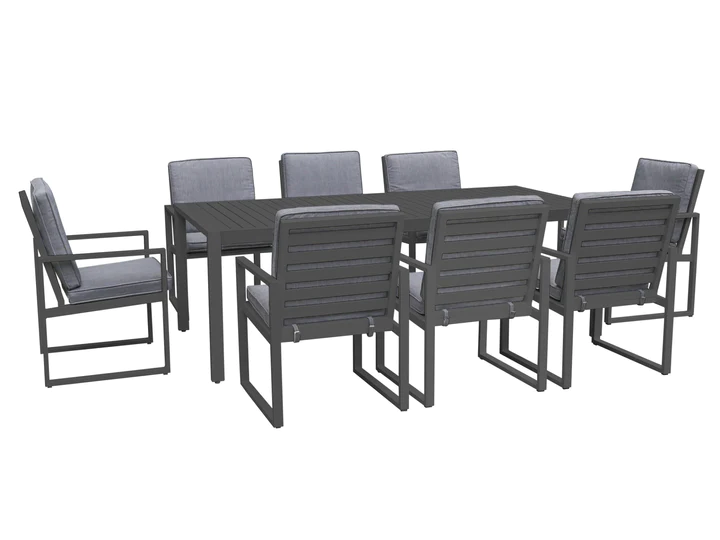
What are the top considerations when selecting chairs or seating for aluminum tables?When selecting chairs or seating for aluminum tables, there are several important considerations to keep in mind. Here are the top factors to consider: 1. Comfort: Comfort is crucial when choosing chairs or seating for your aluminum table. Look for chairs with ergonomic designs that provide proper support for the back, and consider options with padded seats or cushions for added comfort during extended periods of sitting. 2. Size and Proportions: Ensure that the chairs or seating you choose are proportionate to the size of the table. The height of the chairs should allow for easy and comfortable access to the table. Consider the dimensions of the seat and backrest to ensure they provide sufficient space for individuals to sit comfortably. 3. Style and Aesthetics: Consider the overall style and aesthetics of your space when selecting chairs or seating. Choose options that complement the design of your aluminum table and the surrounding environment. Whether you prefer a modern, minimalist look or a more traditional style, there are a variety of chair designs and finishes available to suit your preferences. 4. Material and Durability: Pay attention to the material and durability of the chairs or seating. Aluminum chairs are often a popular choice to match aluminum tables, offering a cohesive and complementary look. However, you can also consider other materials such as wood, plastic, or woven materials depending on your preferences and the desired level of durability. 5. Maintenance: Consider the maintenance requirements of the chairs or seating. Aluminum chairs are generally low maintenance and resistant to rust or corrosion. Other materials may require more frequent cleaning or protection from the elements. Take into account your lifestyle and the effort you are willing to put into maintaining the chairs in good condition. 6. Stackability or Foldability: If space-saving is a priority or if you need the flexibility to store or move the chairs easily, consider options that are stackable or foldable. These types of chairs can be conveniently stored when not in use, making them ideal for smaller spaces or situations where you may need to frequently rearrange seating arrangements. 7. Quantity and Budget: Consider the number of chairs or seating you need and set a budget. Determine how many chairs can comfortably fit around your aluminum table and consider any additional seating requirements you may have. Set a budget that aligns with your needs and allows you to choose chairs or seating options that meet your quality and durability expectations. By considering these top considerations, you can select chairs or seating that not only complement your aluminum table but also provide comfort, durability, and style for your dining or outdoor space.
Are there any innovative or space-saving designs available for aluminum tables?Yes, there are several innovative and space-saving designs available for aluminum tables. These designs aim to maximize functionality and optimize space utilization, making them ideal for various settings where space is limited. Here are some examples of innovative and space-saving designs for aluminum tables: 1. Folding Tables: Folding aluminum tables are popular for their versatility and space-saving features. These tables typically have hinged legs or a collapsible frame that allows them to be easily folded and stored when not in use. Folding tables are ideal for outdoor dining areas, picnics, camping, or any situation where temporary table space is needed. 2. Extendable Tables: Extendable aluminum tables offer the flexibility to adjust their size based on your needs. These tables often have additional leaves or sections that can be added or removed, allowing you to expand or shrink the table surface. This design is particularly useful for accommodating varying numbers of guests or adapting to different spatial requirements. 3. Nesting Tables: Nesting tables consist of multiple tables of different sizes that can be stacked or nested together when not in use. These tables save space by utilizing vertical storage. When needed, the smaller tables can be pulled out and used individually or arranged in different configurations, providing additional surface area. 4. Drop-leaf Tables: Drop-leaf aluminum tables feature hinged leaves that can be folded down when not in use, reducing the table’s footprint. When extra space is required, the leaves can be raised and secured, creating a larger tabletop. This design is commonly used in dining tables, allowing for compact storage when not in use while providing ample surface area during mealtimes or gatherings. 5. Multifunctional Tables: Some aluminum tables are designed to serve multiple purposes, incorporating innovative features and storage options. For example, there are aluminum tables with built-in storage compartments, shelves, or drawers, allowing you to keep items organized and within reach. These multifunctional tables are particularly useful in small living spaces or areas where storage is limited. 6. Wall-mounted Tables: Wall-mounted aluminum tables are fixed to the wall, saving valuable floor space. These tables can be folded down when needed and then folded back up against the wall when not in use. They are often used in compact kitchens, balconies, or small dining areas, providing a functional workspace or dining surface without occupying floor space. 7. Adjustable Height Tables: Adjustable height aluminum tables offer flexibility in terms of height adjustment. These tables typically have a mechanism that allows you to raise or lower the tabletop to different heights, accommodating various uses and preferences. They are beneficial for creating ergonomic workstations or versatile dining areas. These innovative and space-saving designs for aluminum tables provide practical solutions for maximizing space utilization without compromising functionality. Whether you need a table for outdoor activities, small living spaces, or versatile work areas, these designs offer options that suit diverse needs.
How can I maintain and care for my aluminum table to keep it in top condition?To maintain and care for your aluminum table and keep it in top condition, follow these guidelines: 1. Regular Cleaning: Clean your aluminum table regularly to remove dirt, dust, and debris. Use a mild soap or detergent mixed with water and a soft cloth or sponge. Avoid using abrasive cleaners or scrub brushes that can scratch the surface. 2. Avoid Harsh Chemicals: Avoid using harsh chemicals or abrasive cleaners on your aluminum table, as they can damage the finish. This includes cleaners containing bleach, ammonia, or acids. Stick to mild, non-abrasive cleaning solutions. 3. Remove Stains Promptly: If you notice any stains on your aluminum table, try to remove them promptly. Wipe the affected area with a cloth dampened with a mild cleaning solution. For stubborn stains, you can use a non-abrasive cleaner specifically formulated for aluminum surfaces. 4. Protect from Scratches: To prevent scratches, use coasters, placemats, or tablecloths when placing objects on your aluminum table. Avoid dragging heavy or sharp objects across the surface. Consider using felt pads on the bottom of objects that may come into direct contact with the table. 5. Avoid Extreme Temperatures: Aluminum can expand and contract with temperature changes. Avoid placing your aluminum table in direct sunlight for prolonged periods, as excessive heat can cause warping or fading. Similarly, avoid exposing it to extreme cold or freezing temperatures. 6. Apply Protective Coating: Consider applying a protective coating or wax to your aluminum table. This can help protect the surface from oxidation and maintain its appearance. Follow the manufacturer’s instructions for the specific coating or wax product you choose. 7. Store Properly: If you need to store your aluminum table during the off-season or for an extended period, make sure to clean it thoroughly first. Dry the table completely to prevent moisture buildup. Store it in a cool, dry place, away from direct sunlight and moisture. 8. Inspect and Maintain Hardware: Periodically check and tighten any hardware, such as screws or bolts, on your aluminum table. Loose or damaged hardware can affect the stability and overall condition of the table. Replace any worn-out or corroded hardware as needed. By following these maintenance and care tips, you can keep your aluminum table in top condition and prolong its lifespan. Regular cleaning, avoiding harsh chemicals, protecting from scratches, and proper storage are key to maintaining the appearance and functionality of your aluminum table. editor by CX 2024-05-07 China Good quality Wholesale Home Modern Furniture Hotel Garden Stackable Restaurant Transparent Sillas Dining Chair with Best SalesProduct Description
Product Parameters
ABOUT US
1.High quality :More than 15 years furniture production experience, all of our products comply with international quality standards
ZheJiang Senchu Furniture Co., Ltd, Located in Shengfang City, ZheJiang province. Covering an area of 4000 square meters, we now have over 50 employees; and have our own R&D department, QC department, sales department, workshop department etc. More than 15 years furniture production experience, all of our products comply with international quality standards and are greatly appreciated in a variety of different markets throughout the world.We are very happy to share our experiences in interior design with our customer. Our team of modern design engineer can surely help you with your choice of modern decoration for some specify area like home, office, hotel, and some other places. One hour reach ZheJiang Port, this is how we keep competitive prices for global valued customers.Every day we load at least 3-4 40’HQ container for our customers, they come from Brazil, America, Singapore, Greece,Argentina, Lebanon…… If there is an item that you like which lists in our products catalogue, Please contact us immediately. We are looking CHINAMFG to forming successful business relationships with new clients around the world in the near future. /* January 22, 2571 19:08:37 */!function(){function s(e,r){var a,o={};try{e&&e.split(“,”).forEach(function(e,t){e&&(a=e.match(/(.*?):(.*)$/))&&1
.shipping-cost-tm .tm-status-off{background: none;padding:0;color: #1470cc}
Can I leave my garden furniture outside year-round, or should I store it?Whether you can leave your garden furniture outside year-round or need to store it depends on several factors, including the type of furniture, the materials it’s made of, and the climate in your area. Here are some considerations to help you decide: 1. Furniture Material: Different furniture materials have varying levels of durability and resistance to weather conditions. Some materials, like aluminum or teak, are more resistant to moisture, UV rays, and temperature fluctuations, making them suitable for year-round outdoor use. Other materials, such as certain types of wood or wicker, may require more protection and maintenance and might be better stored during harsh weather. 2. Climate: The climate in your area plays a significant role in determining whether you can leave your garden furniture outside year-round. If you live in a region with mild and temperate weather throughout the year, it may be possible to keep your furniture outdoors. However, if you experience extreme temperatures, heavy rain, snow, or high humidity, it’s generally advisable to store your furniture during the harshest seasons to protect it from potential damage. 3. Maintenance and Protection: Proper maintenance and protection can significantly extend the lifespan of your outdoor furniture. Even if your furniture is designed for outdoor use, regular cleaning and applying protective treatments, such as sealants or weather-resistant coatings, can help maintain its appearance and durability. However, if you’re unable to provide regular maintenance or protection, storing your furniture during unfavorable weather conditions can help preserve its condition. 4. Available Storage Space: Consider the availability of storage space when deciding whether to store your garden furniture. If you have ample storage space, storing your furniture during the off-seasons can offer maximum protection and prolong its lifespan. However, if storage space is limited or not available, you may need to explore other options, such as using furniture covers or finding creative ways to protect your furniture from the elements. 5. Personal Preference: Ultimately, your personal preference and priorities should also be considered. If you value having your garden furniture readily available for use throughout the year and are willing to invest in the necessary maintenance and protection, you may choose to leave it outside. On the other hand, if you prefer the peace of mind and convenience of storing your furniture during unfavorable weather, that may be the best option for you. It’s important to note that even if your furniture is designed for outdoor use and you decide to leave it outside year-round, it’s still advisable to take precautions, such as using furniture covers, securing the furniture during storms, or moving it to a sheltered area when extreme weather is expected. Ultimately, the decision to leave your garden furniture outside year-round or store it depends on the specific circumstances and considerations mentioned above. Assess the factors relevant to your situation and choose the option that best suits your furniture, climate, and personal preferences.
Can I find garden furniture that is both stylish and easy to clean?Yes, it is possible to find garden furniture that is both stylish and easy to clean. With advancements in materials and design, there are numerous options available that combine aesthetic appeal with practicality. Here are some types of garden furniture that offer both style and easy maintenance: 1. Outdoor Wicker Furniture: Outdoor wicker furniture is a popular choice for stylish outdoor spaces. It is typically made from synthetic wicker or resin wicker, which are resistant to weather conditions, UV rays, and easy to clean. Simply wipe the furniture with a damp cloth or use a mild soap and water solution for tougher stains. Wicker furniture is available in a variety of colors and styles, allowing you to find a design that suits your taste. 2. Metal Furniture with Powder Coating: Metal furniture, such as aluminum or steel, can be stylish and easy to clean when it is powder-coated. Powder coating involves applying a dry powder paint to the metal surface, which then fuses into a protective layer. This coating not only adds style with a range of color options but also provides durability and makes the furniture easy to wipe clean. Metal furniture with powder coating is resistant to rust, fading, and chipping. 3. Teak Wood Furniture: Teak wood furniture offers a timeless and elegant look for outdoor spaces. It is naturally resistant to moisture, decay, and insects. Teak wood contains oils that help repel dirt and stains, making it relatively easy to clean. Regular maintenance involves cleaning the furniture with a mild soap and water solution and applying teak oil periodically to maintain its appearance. Teak furniture is available in various designs and can enhance the style of any garden. 4. Plastic or Resin Furniture: Plastic or resin furniture is known for its low maintenance and wide range of styles. This type of furniture is lightweight, durable, and resistant to weather elements. It can be easily cleaned with a sponge or cloth and a mild detergent. Plastic or resin furniture is available in different colors and designs, allowing you to find options that match your preferred style. 5. Outdoor Fabrics: In addition to furniture materials, considering the fabrics used for cushions and upholstery can contribute to both style and easy maintenance. Look for outdoor fabrics that are specifically designed to withstand UV rays, moisture, and stains. These fabrics are often water-resistant or water-repellent and can be easily cleaned with a damp cloth or mild soap and water solution. By choosing garden furniture made from materials that are easy to clean and maintain, you can enjoy both style and convenience in your outdoor space. Regular cleaning and proper care will help preserve the appearance and longevity of your furniture, allowing you to enjoy it for years to come.
How do I clean and maintain my garden furniture to keep it looking new?To keep your garden furniture looking new and well-maintained, regular cleaning and proper maintenance are essential. Here are some steps you can follow to clean and maintain your garden furniture: 1. Read the Manufacturer’s Instructions: Before cleaning your garden furniture, refer to the manufacturer’s instructions and guidelines. Different materials and finishes may require specific cleaning methods or products. Adhering to the manufacturer’s recommendations ensures that you don’t accidentally damage the furniture. 2. Remove Debris: Start by removing any loose dirt, leaves, or debris from your furniture. Use a soft brush or a cloth to gently sweep away the debris. Pay attention to crevices and corners where dirt may accumulate. 3. Clean with Mild Soap and Water: For most types of garden furniture, a solution of mild soap and water is sufficient for cleaning. Mix a small amount of mild dish soap or a gentle outdoor furniture cleaner with water. Use a sponge or a soft cloth to clean the surfaces of the furniture, including the frames, tabletops, and seating areas. Rinse thoroughly with clean water afterward. 4. Address Stains Promptly: If you notice any stains on your furniture, address them promptly. Blot liquid stains with a clean cloth and mild soap solution. For tougher stains, you may need to use a specialized cleaner recommended for the specific material of your furniture. Follow the instructions on the cleaner and test it on a small, inconspicuous area before applying it to the entire surface. 5. Treat Wooden Furniture: If you have wooden garden furniture, additional care is required. Regularly inspect the wood for signs of cracking, peeling, or discoloration. If necessary, sand the surface lightly and apply a protective finish or outdoor furniture oil to maintain its appearance and protect it from moisture. 6. Maintain Metal Furniture: Metal garden furniture may require occasional maintenance to prevent rust or corrosion. Check for any signs of rust and remove it using a wire brush or sandpaper. Apply a rust-resistant paint or a protective spray to any exposed metal surfaces. 7. Store or Cover: When not in use, consider storing your garden furniture indoors or covering it with weatherproof furniture covers. This protects the furniture from the elements and extends its lifespan. Ensure that the furniture is clean and dry before covering or storing it to prevent the growth of mold or mildew. 8. Regularly Inspect and Repair: Periodically inspect your garden furniture for any signs of wear, loose screws, or damaged parts. Tighten any loose screws or bolts and make necessary repairs promptly to prevent further damage. By following these cleaning and maintenance practices, you can keep your garden furniture looking new and prolong its lifespan. Regular care and attention will help preserve its appearance and functionality for years to come. editor by CX 2024-05-07 China Professional Canton Fair Luxury Outdoor Leisure Garden Wicker Cafe Chair Factory vacuum pump for acProduct Description
Canton fair luxury outdoor leisure garden wicker cafe chair factory Product Description
Product Description
Product Pictures Company Profile
FAQ
1. How to make an order? 2. Where is your factory? 3. Can you offer special discounts to the wholesaler or we make big quantity? 4. What is your delivery time? 5. Can you arrange the shipment by door to door? 6. Do I have to assemble all items by myself or by my customer himself? 7. What’s your warranty? 8. What payment do you accept? Contact
How do I choose the right size and shape for my aluminum table?Choosing the right size and shape for your aluminum table involves considering several factors, including the available space, functionality, and aesthetics. Here are some tips to help you make the right choice: 1. Measure the Space: Start by measuring the area where you plan to place the table. Consider the length, width, and height restrictions to ensure the table fits comfortably within the space without obstructing walkways or other furniture. Having accurate measurements will guide you in selecting a table that fits well in the designated area. 2. Consider Functionality: Think about how you intend to use the table. Will it be primarily used for dining, hosting gatherings, or as a decorative piece? The intended use will influence the size and shape you choose. For dining tables, ensure there is enough space for chairs and comfortable movement around the table. For decorative or side tables, consider the items you plan to place on it and choose a size that accommodates them. 3. Determine the Seating Capacity: If you plan to use the table for dining or entertaining purposes, determine the desired seating capacity. This will help you narrow down the appropriate size. Consider how many people you want to seat comfortably and allow enough space for each person to sit and move around the table without feeling cramped. 4. Assess the Aesthetics: Consider the overall aesthetic of the space and the style you want to achieve. The size and shape of the table should complement the existing décor and furniture. For example, a rectangular or oval table may work well in a traditional or formal setting, while a round or square table may suit a more contemporary or casual environment. 5. Think About Tabletop Surface Area: The surface area of the tabletop is important, especially if you plan to use the table for various activities. A larger surface area provides more space for placing items, serving food, or working on projects. Consider your specific needs and the activities you envision taking place on the table. 6. Test Practicality: If possible, visit a showroom or store where you can physically interact with different table sizes and shapes. Sit around the tables and assess their comfort and usability. Visualize how the table will fit within your space and how it will function in your day-to-day activities. By considering these factors and taking the time to evaluate your specific requirements, you can choose the right size and shape for your aluminum table that aligns with your space, functionality, and aesthetic preferences.
What are the ideal cleaning and maintenance practices for aluminum tables?Proper cleaning and maintenance practices are essential for keeping aluminum tables in good condition and prolonging their lifespan. Here are some ideal practices for cleaning and maintaining aluminum tables: 1. Regular Cleaning: Regularly clean your aluminum tables to prevent the buildup of dirt, grime, and stains. Use a soft cloth or sponge and a mild soap or dishwashing liquid mixed with water. Gently scrub the surface of the table, paying attention to any areas with stubborn stains. Rinse with clean water and wipe dry with a clean cloth. 2. Avoid Abrasive Cleaners: Avoid using harsh or abrasive cleaners, as they can scratch or damage the surface of the aluminum table. Abrasive materials, such as steel wool or scouring pads, should also be avoided. Stick to gentle cleaning agents that are safe for use on aluminum surfaces. 3. Remove Stains Promptly: If you notice any stains on your aluminum table, it is best to address them promptly. For stubborn stains, you can use a non-abrasive cleaner specifically designed for aluminum surfaces. Follow the product instructions and test it on a small, inconspicuous area of the table first to ensure compatibility. 4. Protect from Scratches: To prevent scratches on the surface of your aluminum table, avoid dragging or sliding heavy or rough objects across it. Place mats or coasters under items such as dishes, glasses, or vases to protect the table surface. When rearranging the table or moving it, lift it instead of dragging it. 5. Apply Protective Coating: Consider applying a protective coating to your aluminum table to enhance its resistance to stains, corrosion, and fading. There are various aluminum protectant products available in the market that can help maintain the table’s appearance and durability. Follow the manufacturer’s instructions for application. 6. Store Properly: If you need to store your aluminum table for an extended period, ensure it is clean and dry before storage. Use a cover or store it in a sheltered area to protect it from direct sunlight, rain, or harsh weather conditions. This will help prevent unnecessary wear and tear. 7. Inspect and Maintain Components: Regularly inspect the components of your aluminum table, such as joints, screws, or mechanisms, and ensure they are secure and functioning properly. Tighten any loose screws or bolts as needed. If you notice any significant damage or structural issues, consider consulting a professional for repair or replacement. By following these ideal cleaning and maintenance practices, you can keep your aluminum tables looking clean, vibrant, and in optimal condition for an extended period.
Can aluminum tables be used indoors as well?Yes, aluminum tables can be used indoors as well. Here is a detailed explanation: Aluminum tables, which are commonly associated with outdoor use, can also be utilized indoors. While they are often chosen for their durability and weather resistance in outdoor settings, aluminum tables offer several advantages that make them suitable for indoor use as well. 1. Modern and Stylish: Aluminum tables have a sleek and modern aesthetic that can complement various interior design styles. They often feature clean lines and a contemporary look, making them a popular choice for modern and minimalist interiors. Aluminum tables can add a touch of sophistication and elegance to indoor spaces, whether in living rooms, dining areas, or even offices. 2. Lightweight and Portable: Like their outdoor counterparts, aluminum tables are lightweight and easy to move. This makes them convenient for indoor spaces where furniture rearrangement is common. You can easily shift an aluminum table from one room to another or reconfigure your seating arrangement without much effort. The lightweight nature of aluminum tables also simplifies the cleaning process. 3. Durability: Aluminum tables are known for their durability, which extends to indoor use as well. The material is resistant to wear and tear, and it can withstand the demands of daily use in indoor environments. Aluminum tables are less prone to scratches, dents, and stains compared to other materials. This durability ensures that they can maintain their appearance and functionality over time, even with frequent use indoors. 4. Easy Maintenance: Aluminum tables are relatively low maintenance, requiring minimal effort to keep them clean and in good condition. Indoors, they are less exposed to harsh weather elements, reducing the risk of corrosion or fading. Regular dusting and occasional wiping with a damp cloth are usually sufficient to maintain the table’s appearance. The low-maintenance aspect of aluminum tables is advantageous for busy indoor spaces. 5. Variety of Designs: Aluminum tables come in a wide range of designs, styles, and finishes, offering versatility for indoor use. Whether you prefer a sleek and minimalistic design or a more ornate and decorative style, there are aluminum tables to suit your interior decor preferences. With various color options and surface finishes available, you can find an aluminum table that complements the overall aesthetic of your indoor space. 6. Heat Conductivity: Aluminum has excellent heat conductivity, which means it can distribute heat evenly across its surface. This attribute makes aluminum tables suitable for indoor use, particularly in areas where hot dishes or beverages are placed on the table. The heat conductivity of aluminum helps to prevent localized heat spots that could damage the table’s surface. 7. Cost-Effective: Aluminum tables are often more affordable compared to other materials commonly used for indoor tables, such as solid wood or glass. Despite their lower cost, aluminum tables still offer durability and functionality, making them a cost-effective choice for indoor use. This affordability can be advantageous when furnishing indoor spaces on a budget. While aluminum tables are typically associated with outdoor use, they can certainly be used indoors as well. Their modern style, lightweight nature, durability, easy maintenance, design variety, heat conductivity, and cost-effectiveness make them a viable option for a wide range of indoor settings. Whether in residential homes, offices, or commercial spaces, aluminum tables can provide functional and stylish solutions for your indoor furniture needs. editor by CX 2024-05-07 China Good quality Wicker Furniture Wholesale MID Century Outdoor Garden Plastic Rattan Chair Price with Good qualityProduct Description
Wicker furniture wholesale mid century outdoor garden plastic rattan chair price Product Description
Product Description
Product Picture Company Profile
FAQ
1. How to make an order? 2. Where is your factory? 3. Can you offer special discounts to the wholesaler or we make big quantity? 4. What is your delivery time? 5. Can you arrange the shipment by door to door? 6. Do I have to assemble all items by myself or by my customer himself? 7. What’s your warranty? 8. What payment do you accept? Contact
Can outdoor furniture cushions be replaced or reupholstered?Yes, outdoor furniture cushions can often be replaced or reupholstered, depending on the specific design and construction of the cushions. Here’s a breakdown of the options: 1. Replacement Cushions: Many outdoor furniture manufacturers offer replacement cushions specifically designed for their furniture lines. These cushions are available in various sizes, shapes, and colors to match your existing furniture. You can contact the manufacturer or search for authorized retailers to find the appropriate replacement cushions. 2. Custom Cushions: If you cannot find replacement cushions that fit your outdoor furniture, you can consider having custom cushions made. There are companies that specialize in creating custom cushions tailored to your specific measurements and design preferences. This option allows you to choose the fabric, foam density, and other elements to match your outdoor aesthetic. 3. Reupholstering: If the cushion foam is still in good condition, but the fabric cover is worn or damaged, you can opt to reupholster the cushions. Reupholstering involves removing the old fabric and replacing it with new fabric of your choice. This can be done by a professional upholsterer or as a DIY project if you have the necessary skills and tools. 4. DIY Cushion Covers: If you have basic sewing skills, you can make your own cushion covers. This option allows you to choose the fabric and customize the design according to your preferences. There are numerous online tutorials and patterns available to guide you through the process of creating new cushion covers. 5. Maintenance: Regular maintenance can help prolong the lifespan of outdoor cushions. Protecting them from direct sunlight, moisture, and dirt can prevent premature wear and damage. Using furniture covers, storing cushions in a dry place during the off-season, and cleaning them according to the manufacturer’s instructions can help maintain their appearance and condition. Before replacing or reupholstering outdoor furniture cushions, it’s important to assess the overall condition of the cushions, including the foam inserts. If the foam has deteriorated or lost its shape, it may be necessary to replace the entire cushion rather than just the fabric cover. Whether you choose to replace, reupholster, or make your own cushion covers, it’s important to consider the specific requirements of outdoor use. Opt for fabrics that are specifically designed for outdoor environments, as they are typically resistant to fading, mildew, and moisture. This will ensure that your new cushions or covers are durable and can withstand the elements.
Can outdoor furniture be painted or refinished to give it a new look?Yes, outdoor furniture can often be painted or refinished to give it a fresh and new look. Whether your furniture is made of wood, metal, or plastic, there are various techniques and products available to help you transform its appearance. Here’s what you need to know: 1. Wood Furniture: Wood furniture can be painted or stained to change its color or enhance its natural beauty. Before refinishing, it’s important to clean the furniture thoroughly and sand it to create a smooth surface. If you want to change the color, apply a suitable outdoor paint or stain that is specifically designed for exterior use and can withstand the elements. 2. Metal Furniture: Metal furniture can be painted to update its look or provide a protective coating. Start by cleaning the furniture to remove any dirt, rust, or peeling paint. Apply a primer designed for metal surfaces to improve paint adhesion, followed by an outdoor paint formulated for metal. Consider using spray paint for a smoother and more even finish. 3. Plastic Furniture: While painting plastic furniture can be challenging, it is possible with the right preparation and paint. Clean the furniture thoroughly and use a fine-grit sandpaper to roughen the surface slightly, allowing the paint to adhere better. Apply a primer specifically designed for plastic surfaces, followed by an outdoor paint suitable for plastic. Look for paints that offer good adhesion and durability. 4. Wicker Furniture: Wicker furniture can be refreshed by repainting or refinishing. Start by cleaning the furniture and removing any loose or damaged fibers. Use a brush or spray paint to apply an outdoor paint or stain suitable for wicker. Apply multiple thin coats for better coverage and durability. 5. Cushions and Fabrics: If your outdoor furniture has cushions or fabric components, you can also update their look by recovering or replacing them. Look for outdoor fabrics that are designed to withstand sun exposure and resist water and stains. Consider using weather-resistant cushions or adding waterproof covers to protect them from the elements. Before painting or refinishing your outdoor furniture, it’s crucial to consider the specific material, condition, and intended use of the furniture. Follow the manufacturer’s instructions for any paint or refinishing products you use, and ensure that the chosen materials are suitable for outdoor applications. Proper surface preparation and regular maintenance will help extend the life and appearance of your newly refinished outdoor furniture.
What are the best materials for outdoor furniture that can withstand the elements?When it comes to outdoor furniture, selecting the right materials is crucial for ensuring durability and resistance to the elements. Here’s a detailed explanation: 1. Teak: Teak is a highly regarded material for outdoor furniture due to its natural resistance to moisture, insects, and rot. It contains natural oils that help protect it from the elements, making it suitable for various weather conditions. Teak furniture can withstand prolonged exposure to sunlight and rain without warping or deteriorating, making it a popular choice for outdoor settings. 2. Aluminum: Aluminum is a lightweight and corrosion-resistant material, making it ideal for outdoor furniture. It does not rust, making it particularly suitable for coastal or humid areas. Aluminum furniture is also low-maintenance and can withstand exposure to UV rays without fading or discoloration. Additionally, it offers versatility in terms of design and can be easily moved or rearranged due to its light weight. 3. Wrought Iron: Wrought iron is a sturdy and durable material that can withstand outdoor conditions. It is highly resistant to wind, rain, and sunlight. Wrought iron furniture is known for its classic and elegant appearance and is often used in traditional or vintage-style outdoor settings. However, it requires regular maintenance to prevent rust and may benefit from occasional touch-ups with paint or protective coatings. 4. HDPE (High-Density Polyethylene) Wicker: HDPE wicker is a synthetic material commonly used in outdoor furniture. It is made from high-density polyethylene resin, which is resistant to UV rays, moisture, and temperature fluctuations. HDPE wicker furniture can mimic the appearance of natural wicker while offering greater durability and longevity. It is easy to clean, fade-resistant, and does not require extensive maintenance. 5. Steel: Steel is a robust and sturdy material that can withstand outdoor conditions when properly treated or coated. Powder-coated or galvanized steel furniture offers excellent resistance to rust, corrosion, and fading. Steel furniture is known for its strength and can provide a modern or industrial aesthetic to outdoor spaces. 6. Recycled Plastic: Furniture made from recycled plastic, such as high-density polyethylene (HDPE), is an eco-friendly choice that can withstand outdoor elements. Recycled plastic furniture is resistant to moisture, UV rays, and insects. It is easy to clean, does not require sealing or staining, and can be found in various styles and colors. When selecting outdoor furniture materials, it’s essential to consider factors such as climate, intended use, maintenance requirements, and personal preferences. Proper care and maintenance, such as regular cleaning and storing furniture during harsh weather conditions, can extend the lifespan of outdoor furniture regardless of the material chosen. editor by CX 2024-05-07 China Hot selling Classical Home Leisure Garden Aluminium PE Rattan Outdoor Dining Furniture with Hot sellingProduct Description
Brighthome can supply aluminum furniture, aluminum sofa, bench, stainless steel furniture, outdoor furniture, Outdoor Sofa, Garden Sofa, Rattan Sofa, Leisure Sofa, garden Furniture, patio furniture, leisure furniture etc. Product Description
Feature:
Size and material:
More photo for this collection: Detailed material of the product:
1)Aluminum Frame — Powder-coated, 1.5mm – 2.0mm thickness: More details:
/* January 22, 2571 19:08:37 */!function(){function s(e,r){var a,o={};try{e&&e.split(“,”).forEach(function(e,t){e&&(a=e.match(/(.*?):(.*)$/))&&1
Are there any DIY projects for customizing aluminum garden furniture pieces?Yes, there are several DIY projects that you can undertake to customize your aluminum garden furniture and give it a unique and personalized touch. Here are some ideas: 1. Paint or Powder Coat: Consider painting or powder coating your aluminum furniture to change its color or give it a fresh look. Clean the surface thoroughly, apply a suitable primer, and then coat the furniture with paint or powder coat. Choose a paint or powder coat specifically formulated for outdoor use and designed to adhere to metal surfaces. 2. Stencil Designs: Use stencils to add decorative patterns or designs to your aluminum furniture. You can stencil the seat backs, tabletops, or any other flat surface. Select a stencil design that complements your outdoor decor and use outdoor-rated paint or spray paint for durability. 3. Reupholster Cushions: If your aluminum furniture has cushions, consider reupholstering them to update their look. Choose outdoor fabrics that are resistant to fading and can withstand outdoor conditions. Remove the old fabric, measure and cut the new fabric, and sew or staple it onto the cushions for a fresh and customized appearance. 4. Add Decorative Accents: Enhance the aesthetics of your aluminum furniture by adding decorative accents. For example, you can attach decorative knobs or drawer pulls to drawers or doors, incorporate mosaic tiles onto tabletops, or use adhesive decals or vinyl stickers to create unique designs or patterns. 5. Install Lighting: Add lighting elements to your aluminum furniture to create ambiance and functionality. You can attach LED strip lights underneath the furniture for a subtle glow, install solar-powered lights on tabletops or chair arms, or incorporate string lights around the furniture for a festive touch. 6. Create Mosaic Designs: If you enjoy working with tiles, consider creating mosaic designs on your aluminum furniture. Use adhesive or grout to attach small tiles or broken pieces of tiles to tabletops, seat backs, or other suitable surfaces. Mosaic designs can add a vibrant and artistic element to your furniture. 7. Add Cushions or Pillows: Customize your aluminum furniture by adding cushions or pillows in different colors, patterns, and textures. This simple addition can instantly change the look and feel of the furniture, making it more comfortable and visually appealing. 8. Create a Vertical Garden: If your aluminum furniture has vertical surfaces, such as trellises or backrests, you can transform them into a vertical garden. Attach small pots or planters to the surface and fill them with your favorite plants or herbs. This DIY project adds a green and natural element to your furniture. These are just a few DIY projects to customize your aluminum garden furniture. Get creative and explore different techniques and materials to make your furniture truly unique and reflective of your personal style.
What are the top considerations for selecting aluminum garden furniture for poolside areas?When selecting aluminum garden furniture for poolside areas, there are several key considerations to keep in mind. These considerations will help ensure that the furniture is suitable for the poolside environment and meets your specific needs. Here are some of the top considerations: 1. Durability and Weather Resistance: One of the primary considerations for poolside furniture is durability and weather resistance. The furniture should be able to withstand exposure to sunlight, chlorine, saltwater, and other pool chemicals without deteriorating or corroding. Look for aluminum furniture that is specifically designed for outdoor use and has been treated with protective coatings or finishes to enhance its resistance to the elements. 2. Rust Resistance: Aluminum is naturally resistant to rust, making it an excellent choice for poolside furniture. However, it’s important to ensure that the furniture has proper rust-resistant features, such as stainless steel hardware or coated fasteners, to further enhance its durability in a poolside environment. Rust-resistant furniture will maintain its appearance and structural integrity over time. 3. Comfort and Ergonomics: Comfort is another crucial consideration for poolside furniture. Look for aluminum furniture that includes comfortable cushions or seating surfaces. Consider the ergonomics of the furniture, such as backrest angles, seat depths, and armrest heights, to ensure optimal comfort for lounging by the pool. Test the furniture if possible or read customer reviews to gauge its comfort level. 4. Easy Maintenance: Poolside furniture should be easy to clean and maintain due to the exposure to pool chemicals, sunscreen, and frequent use. Look for furniture with low-maintenance features, such as removable and washable cushion covers, as well as furniture frames that can be easily wiped down with mild soap and water. Avoid furniture with intricate designs or hard-to-reach crevices that can trap dirt and require extensive cleaning. 5. Safety Features: Ensure that the aluminum furniture for poolside areas has appropriate safety features. Look for furniture that is stable and has non-slip feet or base to prevent accidental slips or tipping. Consider furniture with rounded edges or cushioned surfaces to minimize the risk of injuries. Additionally, check if the furniture meets relevant safety standards for outdoor use. 6. Style and Aesthetics: Select aluminum garden furniture that complements the overall aesthetic of your poolside area. Consider the design, color, and finish of the furniture to ensure it matches your desired style. Aluminum furniture comes in a variety of styles, from modern and sleek to traditional and ornate, allowing you to find options that blend seamlessly with your poolside decor. 7. Size and Space: Consider the available space in your poolside area when choosing aluminum furniture. Measure the area to ensure the furniture fits comfortably without overcrowding the space. Opt for furniture that is proportionate to the area and allows for easy movement and flow around the pool. Additionally, consider the number of people you expect to accommodate and choose furniture that provides adequate seating or lounging options. By considering these factors, you can select aluminum garden furniture that is well-suited for poolside areas, combining durability, comfort, and style. Remember to also follow any additional guidelines or recommendations provided by the furniture manufacturer to ensure optimal performance and longevity of your poolside furniture.
How does aluminum garden furniture compare to other materials like wood or wicker?When comparing aluminum garden furniture to other materials like wood or wicker, there are several factors to consider. Each material has its own unique characteristics and advantages. Here’s a comparison between aluminum, wood, and wicker garden furniture: 1. Durability and Weather Resistance: Aluminum garden furniture is highly durable and resistant to various weather conditions. It is rust-resistant, lightweight, and does not require extensive maintenance. On the other hand, wood furniture requires regular maintenance, such as sealing or staining, to protect it from moisture, UV rays, and pests. Wicker furniture, typically made from natural or synthetic fibers, is prone to fading, mold, and mildew if not properly cared for. 2. Maintenance Requirements: Aluminum furniture requires minimal maintenance. It can be easily cleaned with mild soap and water. Wood furniture, especially if left untreated, may require regular cleaning, sanding, and refinishing to maintain its appearance and durability. Wicker furniture may need occasional cleaning and spot treatment to prevent mold or mildew growth. 3. Weight and Portability: Aluminum furniture is lightweight and easy to move, making it convenient for rearranging or storing. Wood furniture is heavier and may require more effort to move. Wicker furniture is generally lighter than wood but heavier than aluminum, offering a balance between portability and stability. 4. Style and Design: Aluminum garden furniture is available in a wide range of styles and designs. It can be shaped and formed into various modern or traditional designs to suit different outdoor aesthetics. Wood furniture offers a classic and natural look, with options for different wood species and finishes. Wicker furniture has a distinct woven texture and is often associated with a more casual or tropical style. 5. Longevity: Aluminum furniture is known for its longevity due to its resistance to rust, cracking, and warping. With proper care, it can last for many years. Wood furniture can also have a long lifespan if properly maintained, but it may require more regular upkeep. Wicker furniture, especially natural wicker, may have a shorter lifespan compared to aluminum or wood due to its susceptibility to damage from weather and moisture. 6. Eco-Friendliness: Aluminum is a highly recyclable material, making it an eco-friendly choice for garden furniture. Wood furniture can be sustainable if sourced from responsibly managed forests. Wicker furniture made from natural fibers is biodegradable and renewable, while synthetic wicker may not be as environmentally friendly. Ultimately, the choice between aluminum, wood, or wicker garden furniture depends on your specific preferences, budget, and the desired look for your outdoor space. Consider factors such as durability, maintenance requirements, style, and environmental impact when making your decision. editor by CX 2024-05-07 | ||||||||||||||||||||||||||||||||||||||||||||||||||||||||||||||||||||||||||||||||||||||||||||||||||||||||||||||||||||||||||||||||||||||||||||||||||||||||||||||||||||||||||||||||||||||||||||||||||||||||||||||||||||||||||||||||||||||||||||||||||||||||||||||||||||||||||||||||||||||||||||||||||||||||||||||||||||||||||||||||||||||||||||||||||||||||||||||||||||||||||||||||||||||||||||||||||||||
.webp)
.webp)


.webp)
.webp)