Product Description
Outdoor Furniture Sunshade Waterproof Electric Louver Roof Metal Awning Garden Gazebo Motorized Aluminum Pergola With Side Curtains
Bioclimatic pergolas from AMS are the perfect way to bring the comfort of indoors to your garden or patio. Available with rotating louvred ,
these all-weather aluminium pergolas are durable, luxurious and give you complete control over ventilation, light and shade.
Customize an exclusive aluminum pergola for your home !!!
| Material | Aluminium alloy 6005 T5 |
| Finish | Powder coated (warranty 5 years) & PVDF (waranty 10 years) |
| Sizes | Customized |
| Colors | Standard color RAL7012, 7016, 9005, 9016, also other colors is available |
| Rainfall intensity | 0.04 to 0.05 l/s/m2 |
| Snow load | Up to 180 kg/m2 or more |
| Wind resistance | Up to 180-240 km/h for closed blades |
| Delivery time | Usual 15-20 days after payment received and drawings confirmed |
| Optional accessories | Electric Side curtain/Sliding Glass Door/LED Light/Wind and rain sensor/Heater, etc |
FAQ
1. WHAT IS MATERIAL OF YOUR PERGOLA MADE OF?
The material of beam, post and beam are all aluminium alloy 6005 T5
The material of accessories are all stainless steel 304 and brass h59
2. WHAT IS THE LONGEST SPAN OF YOUR LOUVRE BLADES?
The maximum span of our louver blades is 5m without any sagging.
3. CAN IT BE MOUNTED TO THE WALL OF HOUSE?
Yes, our aluminum pergola can be attached to an existing wall
4. WHAT’S COLORS DO YOU HAVE ?
Usual 4 standard color of RAL 7012, 7016, 9005, 9016
Also it is available custom colours from RAL color or customers’ sample color.
5. WHAT’S THE SIZE OF PERGOLA DO YOU DO ?
We are the factory, so usual we custom made any sizes according to customers’ request.
6. WHAT’S THE RAINFALL INTENSITY, SNOW LOAD AND WIND RESISTANCE ?
Rainfall intensity: 0.04 to 0.05 l/s/m2
Snow load: Up to 180 kg/m2
Wind resistance: Up to 180-240 km/h for closed blades
/* January 22, 2571 19:08:37 */!function(){function s(e,r){var a,o={};try{e&&e.split(“,”).forEach(function(e,t){e&&(a=e.match(/(.*?):(.*)$/))&&1
| Shape: | Square |
|---|---|
| Frame Material: | Aluminum Alloy |
| Cover Material: | Aluminum Alloy |
| Customization: |
Available
|
|
|---|
.shipping-cost-tm .tm-status-off{background: none;padding:0;color: #1470cc}
|
Shipping Cost:
Estimated freight per unit. |
about shipping cost and estimated delivery time. |
|---|
| Payment Method: |
|
|---|---|
|
Initial Payment Full Payment |
| Currency: | US$ |
|---|
| Return&refunds: | You can apply for a refund up to 30 days after receipt of the products. |
|---|
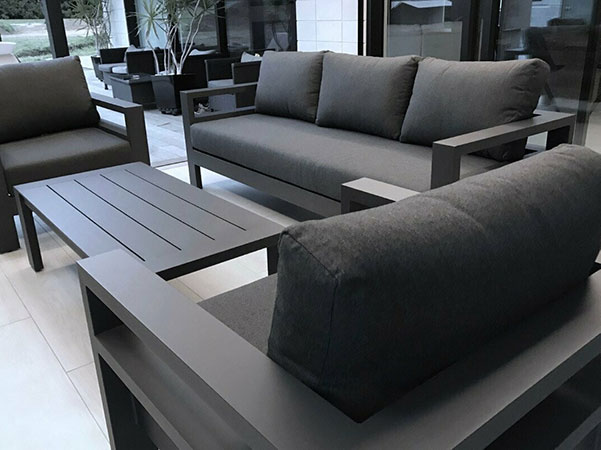
Are there child-friendly aluminum table options suitable for family use?
Yes, there are child-friendly aluminum table options available that are suitable for family use. When choosing a table for family settings, it’s important to consider factors such as safety, durability, and ease of maintenance. Here are some features and considerations to look for:
1. Rounded Edges:
Look for aluminum tables with rounded edges or smooth, chamfered corners. This helps minimize the risk of accidental bumps or injuries, especially for young children who tend to be more active around furniture.
2. Sturdy Construction:
Ensure that the aluminum table has a sturdy construction to withstand the rigors of family use. Look for tables with reinforced frames, strong joints, and stable bases. This will help prevent tipping or wobbling, providing a secure surface for children to use.
3. Non-Toxic Finishes:
Check if the table has non-toxic finishes or coatings. Some aluminum tables may have powder-coated finishes, which are generally safe and resistant to chipping or peeling. Avoid tables with finishes that contain harmful chemicals or heavy metals that could pose a health risk to children.
4. Easy to Clean:
Family-friendly aluminum tables should be easy to clean and maintain. Look for tables with smooth surfaces that can be wiped down quickly. Avoid tables with intricate designs or crevices that may trap dirt or food particles, making cleaning more challenging.
5. Adjustable Height:
If you have children of different ages or if you want the table to grow with your family, consider tables with adjustable height options. These tables allow you to adapt the height to accommodate children of various sizes or to transform the table into a workspace as your children grow older.
6. Size and Seating Capacity:
Choose a table size that suits your family’s needs. Consider the number of family members and ensure the table provides enough seating capacity for everyone. Additionally, consider the available space in your home or outdoor area and select a table size that fits comfortably within the designated area.
7. Additional Safety Features:
Some child-friendly aluminum tables may come with additional safety features, such as locking mechanisms to secure folding tables or rubberized feet to prevent slipping or scratching on floors. These features can provide added peace of mind when children are using the table.
By considering these factors and looking for child-friendly features, you can find aluminum tables that are safe, durable, and suitable for family use. It’s always a good idea to research and read product descriptions or consult with manufacturers or retailers to ensure that the table meets your specific requirements.
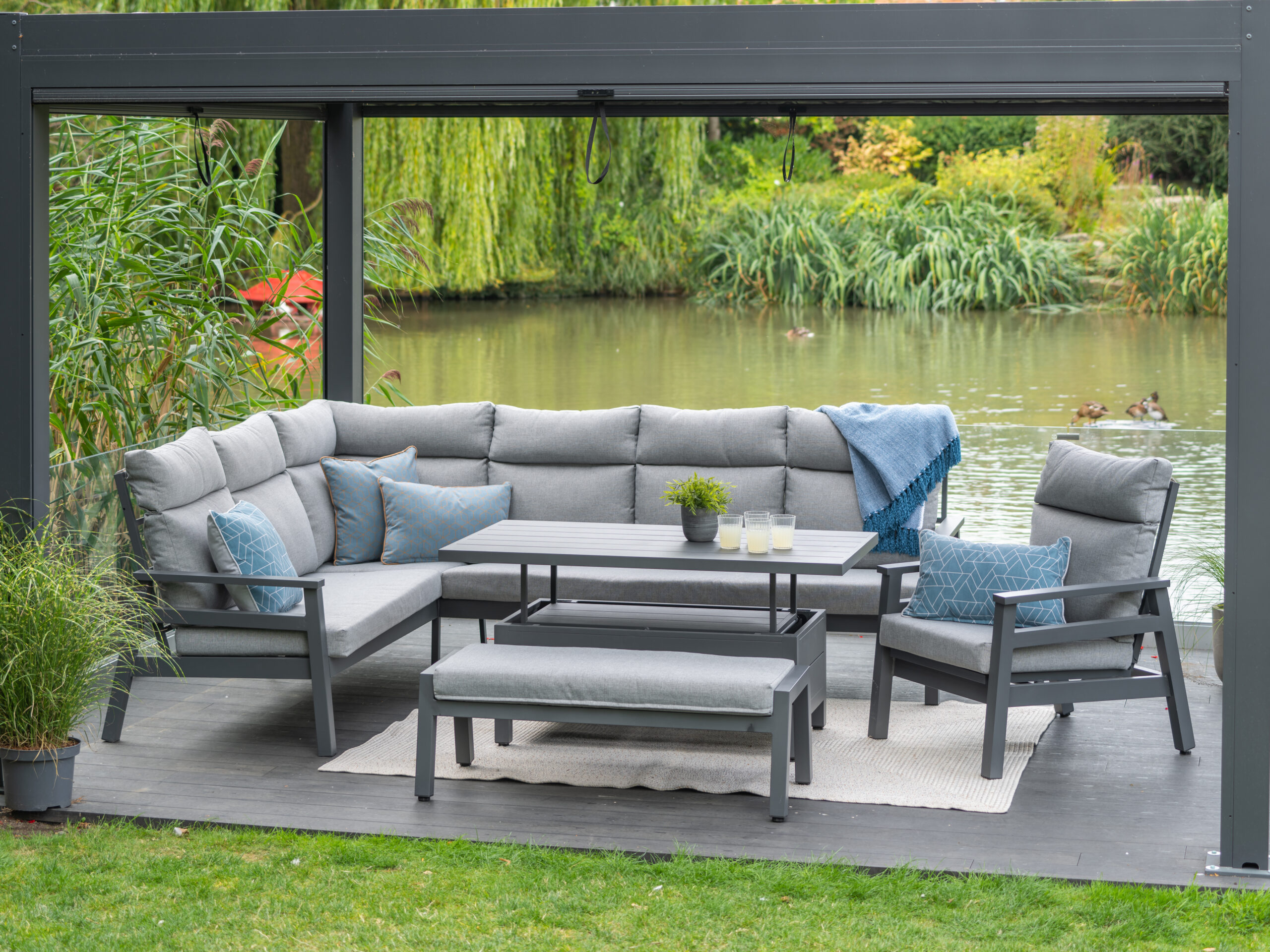
How does the durability of aluminum tables compare to other materials?
When it comes to durability, aluminum tables offer several advantages compared to other materials commonly used for tables. Here’s a comparison of the durability of aluminum tables with some other popular table materials:
1. Aluminum vs. Wood:
Aluminum tables are generally more durable than wood tables. While wood can be prone to warping, cracking, and decay over time, aluminum is highly resistant to such issues. Aluminum is not affected by moisture, insects, or rot, making it a suitable choice for outdoor use or in environments where exposure to these elements is a concern.
2. Aluminum vs. Plastic:
Aluminum tables tend to be more durable than plastic tables. Plastic tables can be susceptible to cracking, fading, and discoloration, especially when exposed to direct sunlight or extreme temperature changes. In contrast, aluminum is more resistant to UV radiation and temperature variations, making it a more durable option for outdoor use.
3. Aluminum vs. Glass:
Aluminum tables are generally considered more durable than glass tables. While glass can shatter or chip with impact, aluminum is more resistant to such damage. Aluminum tables also tend to be sturdier and less prone to wobbling or tipping over, providing a more stable surface for various activities.
4. Aluminum vs. Steel:
Both aluminum and steel tables are known for their durability, but there are some differences between the two. Aluminum is naturally corrosion-resistant, while steel can rust if not properly coated or maintained. However, steel tables can be heavier and more robust, making them suitable for heavy-duty use. Aluminum tables, on the other hand, are lightweight yet still provide excellent strength and durability.
Overall, aluminum tables offer a high level of durability and resilience compared to other common table materials. They are particularly advantageous in outdoor settings, as they withstand exposure to the elements without rusting, warping, or fading. Additionally, aluminum tables are lightweight, making them easy to move and rearrange while maintaining their structural integrity.
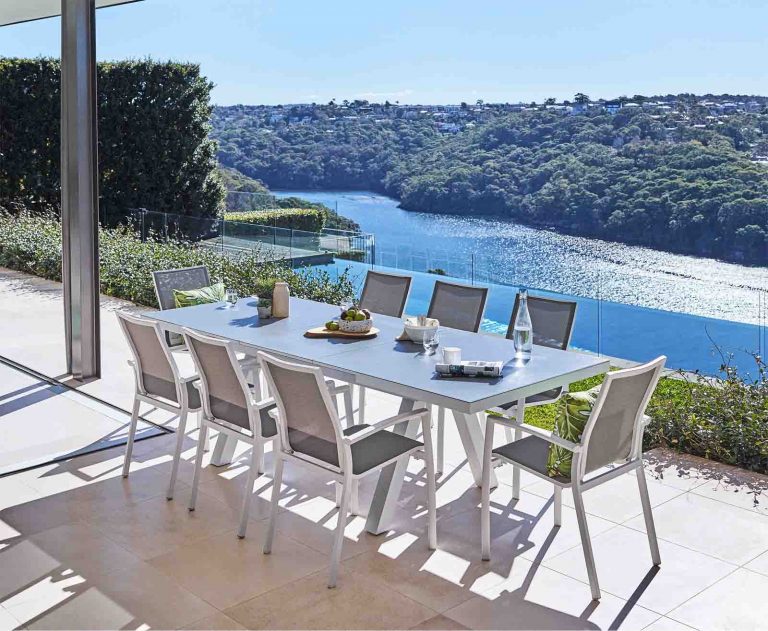
How do aluminum tables compare to other materials like wood or glass?
When comparing aluminum tables to other materials like wood or glass, there are several factors to consider. Here is a detailed explanation:
1. Durability:
– Aluminum: Aluminum tables are highly durable and resistant to rust, corrosion, and fading. They can withstand outdoor elements and are suitable for long-term use. However, they may be prone to scratching or denting if not properly cared for.
– Wood: Wood tables can vary in durability depending on the type of wood used. Hardwoods like teak or oak are known for their strength and resistance to wear and tear. However, softer woods may be more susceptible to scratches, dents, and water damage.
– Glass: Glass tables are delicate and require careful handling. While tempered glass is more resistant to breakage, it can still crack or shatter under significant impact. Glass tables are prone to scratches and may require frequent cleaning to maintain their appearance.
2. Maintenance:
– Aluminum: Aluminum tables are relatively low maintenance. They can be easily cleaned with mild soap and water, and they are resistant to stains, mold, and mildew. Regular cleaning is usually sufficient to keep them in good condition.
– Wood: Wood tables require more maintenance compared to aluminum. They may need periodic polishing, staining, or sealing to protect the surface and maintain its appearance. Wood tables are also more susceptible to stains and may require more frequent cleaning.
– Glass: Glass tables require regular cleaning to remove fingerprints, smudges, and dust. They are also more prone to showing water spots and streaks. Glass surfaces may need specialized glass cleaners to ensure a streak-free and clear appearance.
3. Aesthetics:
– Aluminum: Aluminum tables often have a sleek and modern aesthetic, making them suitable for contemporary or minimalist designs. They are available in various colors and finishes, allowing for versatility in matching different interior or outdoor styles.
– Wood: Wood tables offer a natural and warm aesthetic. The grain patterns and textures of different wood species add character and charm to the table. Wood tables can complement a wide range of interior design styles, from traditional to rustic or even modern.
– Glass: Glass tables provide a sleek and transparent look that can create a sense of lightness and openness in a space. They can blend well with different decor styles and are often chosen for their modern and elegant appearance.
4. Weight:
– Aluminum: Aluminum tables are lightweight, making them easy to move and transport. This is advantageous for both indoor and outdoor use, as they can be rearranged or stored with minimal effort.
– Wood: Wood tables can vary in weight depending on the type of wood used. Hardwoods tend to be heavier, while softer woods are lighter. Heavier wood tables may be more difficult to move or require multiple people to lift.
– Glass: Glass tables are typically heavier than aluminum or wood tables, especially if they have a thick glass top. Moving or rearranging glass tables may require more effort and caution to prevent breakage.
5. Cost:
– Aluminum: Aluminum tables are generally more affordable compared to wood or glass tables. They offer a good balance between durability and cost-effectiveness, making them a popular choice for both indoor and outdoor settings.
– Wood: Wood tables can vary significantly in price depending on the type of wood used and the craftsmanship. Hardwoods like teak or oak tend to be more expensive, while softer woods are generally more affordable.
– Glass: Glass tables can range in price depending on the thickness and quality of the glass. Tempered glass, which is more resistant to breakage, may be more expensive compared to regular glass.
Overall, aluminum tables offer durability, low maintenance, modern aesthetics, lightweight design, and affordability. Wood tables provide a natural and warm aesthetic but require more maintenance. Glass tables offer a sleek and transparent look but require careful handling and regular cleaning. The choice between aluminum, wood, or glass tables ultimately depends on personal preferences, the intended use, and the desired style for the indoor or outdoor space.
editor by CX 2024-04-12